admin
admin
The idea that a living organism can transform its body simply through willpower is an appealing concept—it frames evolution as a conscious journey of self-improvement. Historically, this concept formed the foundation of early evolutionary thought, though modern genetics reveals a very different mechanism behind how physical traits actually change over generations.
The Early Theory: Lamarckism
In the early 19th century, French naturalist Jean-Baptiste Lamarck proposed the theory of inheritance of acquired characteristics. He suggested that an organism’s internal desire or “need” led to the frequent use of specific organs, causing them to enlarge or strengthen.
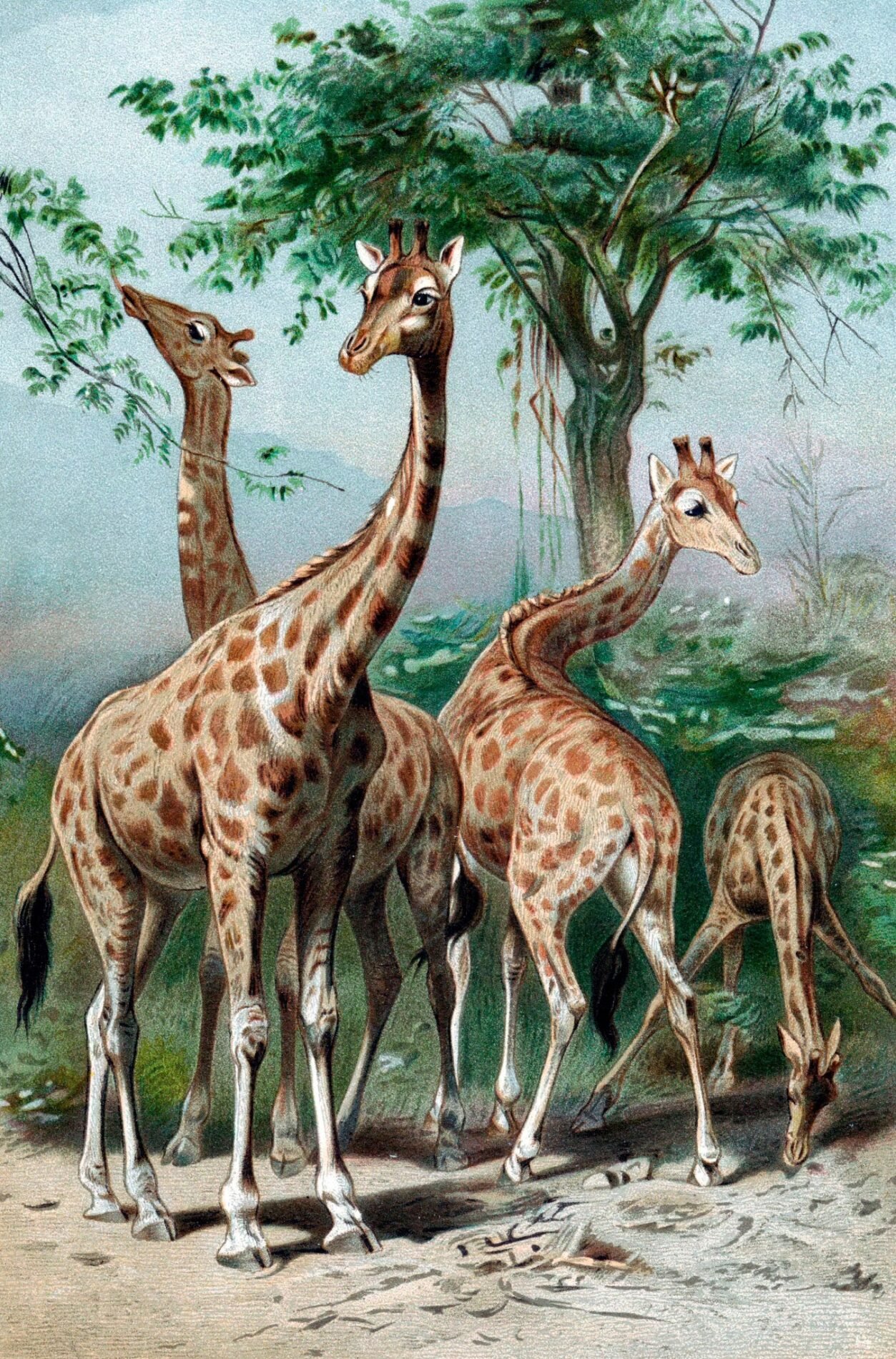
Lamarck’s famous example was the giraffe: he argued that ancestral short-necked giraffes kept reaching for higher leaves, stretching their necks through sheer effort. He believed this newly stretched neck would then be passed on to their offspring.
How Modern Science Explains Evolutionary Change
While an individual can build muscle or change physical stamina through exercise, these modifications do not rewrite DNA sequence data stored within reproductive cells (sperm and egg). Evolutionary biology distinguishes between individual adaptation and inherited evolutionary change:
-
Natural Selection (Darwinian Evolution): Genetic mutations occur randomly. An animal born with a slightly longer neck by chance has a better survival rate in environments with tall trees. Because it survives longer, it produces more offspring, gradually shifting the average neck length of the population over thousands of years.
-
Somatic vs. Germline Cells: Exercising a muscle affects somatic cells (body tissue), but it leaves the DNA inside germline cells untouched. A bodybuilder will not pass their built muscles directly to a newborn child.
-
Epigenetics (The Modern Twist): While willpower cannot alter genetic code, environmental factors and behaviors (like stress, diet, or exercise) can alter gene expression—turning certain biological switches on or off without altering the core DNA sequence.
| Feature | Willpower / Usage (Lamarckism) | Natural Selection (Darwinism) |
| Driver of Change | Conscious effort or environmental need | Random genetic mutations + survival pressure |
| Pace of Adaptation | Within a single organism’s lifespan | Across hundreds to thousands of generations |
| Inheritance Mechanism | Direct transfer of acquired traits (Disproven) | Inheritance of advantageous genetic code |
While an individual’s will can shape personal fitness during a single lifetime, the evolutionary transformation of a species relies entirely on natural selection filtering random genetic variations over deep time.
CONTINUE
To understand epigenetics, imagine your DNA sequence as an extensive instruction manual or a musical score. The actual sequence of letters (A, T, C, and G) remains fixed throughout your lifetime. Epigenetics represents the highlighters, sticky notes, and volume controls applied to that manual—determining which sections are actively read, which are ignored, and how loudly specific instructions are played.
The Core Biological Mechanisms
Epigenetic modifications change how tightly DNA is wrapped or how accessible it is to cellular machinery, without altering a single base pair in the underlying code.
-
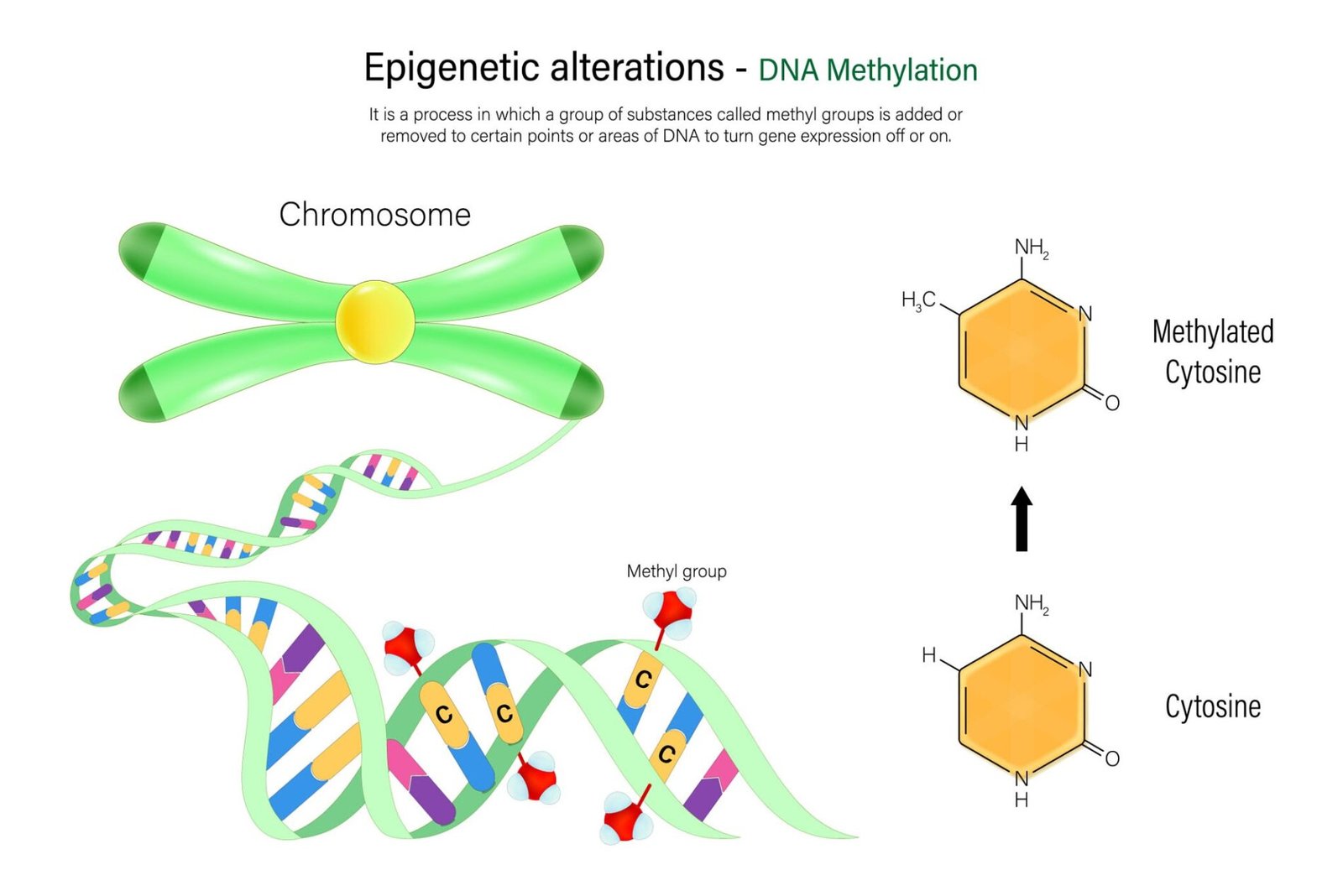
DNA Methylation (The “Mute Button”): Small chemical groups called methyl groups attach directly to specific sites on the DNA molecule. When a gene region acquires heavy methylation, cellular machinery cannot read the DNA, effectively silencing or turning off that gene.
-
Histone Modification (The “Spool Control”): DNA doesn’t float loose; it wraps around protein spools called histones. Chemical tags (like acetyl groups) attached to histones relax or tighten this wrapping. Relaxed DNA (euchromatin) is easily accessible for gene expression, whereas tightly wound DNA (heterochromatin) stays locked away.
-
Non-Coding RNAs (The “Translational Filter”): Specialized RNA molecules target mRNA transcripts before they can be built into proteins, degrading them or blocking their translation to regulate cellular activity.
How Lifestyle Choices Alter Gene Expression
Your daily habits directly influence the availability of these chemical tags, dynamically signaling your genome to adjust cellular behavior.
| Lifestyle Factor | Epigenetic Mechanism | Biological Impact |
| Exercise & Physical Activity | Alters histone acetylation in skeletal muscle and brain tissue. | Turns on genes that boost mitochondrial production, improve insulin sensitivity, and stimulate neurogenesis. |
| Diet & Nutrition | Nutrients like folate, B-12, and choline supply methyl donors. | Regulates metabolic pathways and suppresses systemic inflammation by maintaining proper DNA methylation patterns. |
| Chronic Stress | Glucocorticoids alter methylation levels on stress-response genes (like FKBP5). | Can keep the body’s stress response on high alert, elevating risks for anxiety, hypertension, and immune dysfunction. |
| Environmental Toxins (e.g., Smoking) | Widespread, abnormal DNA methylation patterns. | Silences tumor-suppressor genes, increasing cancer risk and accelerating cellular aging. |
Transgenerational Epigenetics: Can Traits Be Inherited?
While most epigenetic marks are erased during germ cell formation (sperm and egg development) in a process called reprogramming, research shows that a small percentage of epigenetic tags escape this wipe. Exposure to severe trauma, famine, or toxin exposure in parents can sometimes leave biological signatures that subtly affect the stress response or metabolic health of future generations—without changing the DNA sequence itself.
CONTINUE
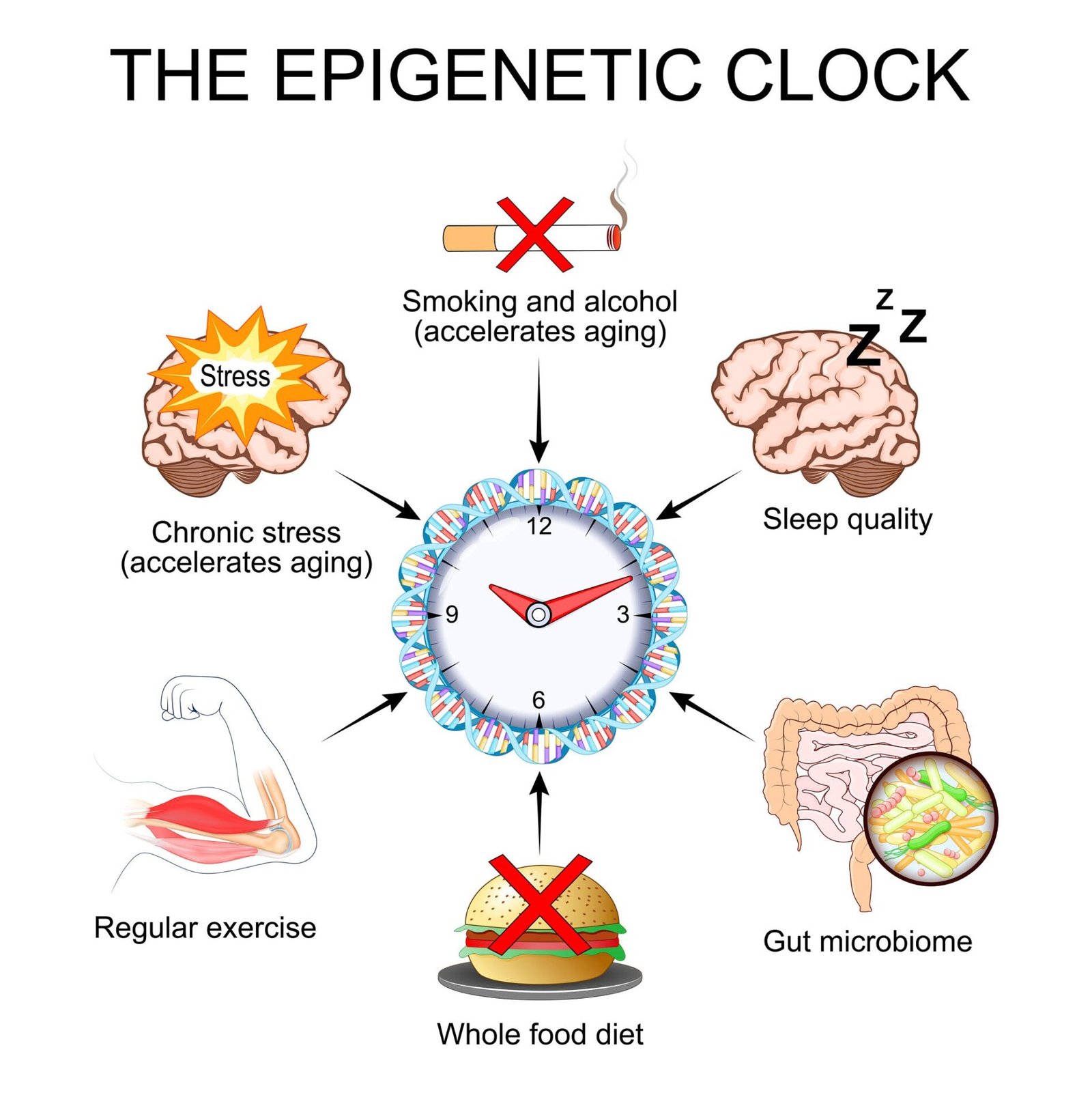
Epigenetic clocks measure biological age—how old your cells and tissues function—by tracking specific, predictable shifts in DNA methylation over time, as opposed to chronological age, which simply counts birthdays.
How Epigenetic Clocks Work
As organisms age, DNA methylation patterns change systematically: protective regions lose methyl groups (hypomethylation), while promoter regions of critical genes gain them (hypermethylation), silencing beneficial pathways.
-
CpG Sites: Clocks analyze specific DNA locations where a cytosine nucleotide sits next to a guanine nucleotide (CpG sites).
-
Algorithms: Machine-learning algorithms evaluate thousands of these CpG sites in a tissue sample (blood, saliva, or skin) to output an estimated biological age.
-
Clock Generations:
-
First-Generation (e.g., Horvath Clock, Hannum Clock): Trained purely to predict chronological age based on methylation profiles.
-
Second-Generation (e.g., PhenoAge, GrimAge): Trained on health markers, mortality risk, and disease onset to reflect actual biological wear and tear.
-
Third-Generation (e.g., DunedinPACE): Measures the rate of aging (how many biological years you age per chronological year).
-
Lifestyle Interventions to Slow or Reverse Epigenetic Aging
Because epigenetic tags are malleable chemical additions rather than permanent structural mutations, targeted lifestyle modifications can stabilize methylation patterns, slow clock acceleration, or even turn biological age back.
| Category | High-Impact Intervention | Mechanism on Epigenetic Clocks |
| Diet | Polyphenol-rich, plant-centric diets (methyl donor foods like leafy greens, berries, seeds, turmeric) | Provides crucial nutrients (folate, B12, choline) that preserve optimal DNA methylation and inhibit DNA damage. |
| Caloric Timing | Intermittent fasting or caloric restriction | Triggers autophagy via AMPK activation and sirtuin pathways, promoting cellular repair and suppressing age-accelerating inflammatory genes. |
| Exercise | Mix of aerobic conditioning (zone 2) and resistance training | Reduces systemic inflammation and remodels DNA methylation in skeletal muscle and metabolic tissue. |
| Sleep Quality | Consistent 7–9 hours of deep sleep | Lowers cortisol levels; chronic sleep loss leads to rapid epigenetic age acceleration in blood cells. |
| Stress Control | Mindfulness, breathing exercises, outdoor activity | Dampens hyperactive HPA-axis signaling, preventing stress-induced epigenetic drifts linked to premature immune aging. |
Clinical trials (such as pilot studies led by Dr. Kara Fitzgerald) demonstrate that targeted 8-week diet and lifestyle protocols can reduce biological age measured by Horvath clocks by over 3 years, highlighting the dynamic nature of epigenetic health.
CONTINUE
The idea that your body adapts to match your needs and desires isn’t just a motivational phrase—it is a core biological truth. Whether through the long lens of evolutionary history or the daily micro-adaptations of your own physiology, living organisms are built to respond dynamically to the demands placed upon them.
Evolutionary Adaptation: Necessity Drives Form
Over generations, the physical traits of species transform to meet environmental necessity. What a species needs to survive ultimately dictates how its body evolves.
-
Functional Morphology: Consider the cheetah’s flexible spine and lightweight skeleton, engineered specifically for high-speed hunting, or the deep-sea gulper eel with jaws that expand to swallow prey larger than itself in sparse environments.
-
Environmental Pressures: Form strictly follows function. When an environment shifts, species must adapt their physical structures or face extinction. The shape of a bird’s beak, the thickness of a mammal’s fur, and the respiratory efficiency of high-altitude animals all emerge from absolute necessity.
Phenotypic Plasticity: How Your Body Responds to You
While evolution shapes a species across millennia, your individual body changes within your own lifetime based on how you use it. This concept—known as phenotypic plasticity—is where your daily desires, habits, and physical efforts directly shape your biology.
| Stimulus / Desire | Biological Adaptation | Physiological Mechanism |
| Strength Training | Increased muscle mass & bone density | Hypertrophy via micro-tears and bone remodeling (Wolff’s Law) |
| Endurance & Cardio | Enhanced aerobic capacity & stamina | Angiogenesis (new capillaries) & increased mitochondrial density |
| Targeted Skill Practice | Sharper reflexes & fine motor control | Neuroplasticity and increased myelination of neural pathways |
| Chronic Inactivity | Muscle atrophy & reduced metabolic rate | Downregulation of unused tissue to conserve energy |
The Dynamic Feedback Loop
Your body is an efficient, resource-allocating system. It does not waste energy maintaining physical adaptations that aren’t actively being used.
-
Intention & Action: You decide to take up a new challenge—whether climbing, running, or playing an instrument.
-
Cellular Signal: Repeated effort creates physical stress, sending direct biochemical signals throughout your body.
-
Remodeling: Tissues, blood vessels, and neural networks reorganize to make that specific task easier next time.
Your body is not a static canvas; it is a live feedback system. Every physical habit sends a signal about what is necessary for your survival and performance, and your biology continuously rewires itself to match.
CONTINUE
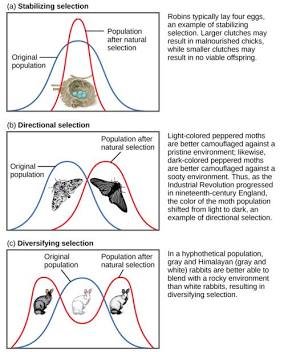
In standard evolutionary biology, “intention” and “action” operate very differently than they do in an individual’s personal choices. Animals do not consciously decide to evolve a new trait; rather, evolutionary intention translates to ecological pressures and behavioral drives, while action manifests as phenotypic expression and natural selection.
1. The Myth of “Conscious Intention” (Lamarckism vs. Darwinism)
A common misconception—originally proposed by Jean-Baptiste Lamarck—is that an organism desires a physical trait (e.g., a giraffe “wants” to reach higher leaves), stretches its neck, and passes that stretched neck to its offspring.
Modern evolutionary biology rejected this direct conscious path. Genetic mutations occur randomly, not because an animal wishes for them. However, behavioral intent—what an animal chooses to do—does play a massive role in driving how natural selection filters those random mutations.
2. Behavioral “Intention”: Behavior Leads, Physiology Follows
While an organism cannot wish for a new gene, its behavioral choices (intention) alter the environmental pressures it faces, shaping how its offspring survive.
-
The Baldwin Effect: An organism uses its intelligence or flexibility to adopt a new behavior to survive a change in its environment (e.g., learning to crack hard seeds with its beak). Because this behavior creates a new survival niche, individuals whose random genetic variations make that behavior easier or more efficient will reproduce more successfully.
-
Niche Construction: Organisms actively modify their environments through intent-driven actions (e.g., beavers building dams, birds weaving complex nests). By altering their surroundings, they change the selective pressures on themselves and future generations, directing the evolutionary trajectory.
3. Biological “Action”: Phenotypic Plasticity & Epigenetics
The bridge between a living creature’s immediate action and its long-term evolutionary response relies on two primary biological mechanisms:
-
Epigenetic Alterations: Repeated behaviors, stress levels, and dietary habits cause biochemical tags (methyl groups) to attach to DNA. While this doesn’t change the underlying DNA sequence, it controls which genes are turned “on” or “off”—and some of these epigenetic markers can be inherited across generations.
-
Genetic Assimilation: A flexible response (phenotypic plasticity) triggered by a creature’s daily actions can, over many generations of selection, become permanently hardwired into the species’ genome so that the trait develops even without the original environmental trigger.
How Intention & Action Reshape Evolution
| Mechanism | “Intention” (Drive / Pressure) | “Action” (Biological Outcome) | Evolutionary Result |
| Sexual Selection | Mate preference (desire for specific traits in a partner) | Selective breeding choices over generations | Exaggerated physical traits (e.g., peacock tails, antlers) |
| Niche Construction | Seeking new food sources or shelter | Modifying local ecosystem / physical habits | New physical adaptations specialized for that altered niche |
| Epigenetics | Organisms reacting to environmental stress or exertion | Molecular tagging that alters gene expression | Rapid adaptive responses passed to immediate generations |
Explaining the Baldwin Effect in evolutionary biology with real-world examples.
The Baldwin Effect explains how a flexible, learned behavior or bodily adjustment (phenotypic plasticity) can pioneer a path for genetic evolution without violating standard Darwinian rules.
First proposed by psychologist James Mark Baldwin in 1896, the mechanism breaks down into a three-step timeline:
-
Phenotypic Plasticity (Trial & Adaptation): An environmental change or new threat occurs. Instead of dying off, some individuals rely on behavioral flexibility or physiological plasticity to survive.
-
Selective Pressure on Learning: Individuals that can adapt, learn, or modify their traits faster or more efficiently survive and reproduce more often.
-
Genetic Assimilation: Over many generations, random genetic mutations occur that make this learned response easier, faster, or completely innate. What began as a temporary, flexible effort ends up hardwired into the species’ genome.
Real-World Examples
1. Color Plasticity in Desert Side-Blotched Lizards
The side-blotched lizards (Uta stansburiana) on the Pisgah Lava Flow in California present one of the clearest empirical demonstrations of the Baldwin Effect in nature.
-
The Plasticity (Step 1): When light-colored lizards moved onto dark black basalt, they did not have a “black skin” gene yet. However, their physiology was naturally plastic; over several months, individual lizards exposed to dark surfaces gradually produced extra melanin to darken their skin slightly and blend in.
-
The Genetic Hardwiring (Step 3): That initial plasticity kept enough lizards alive to reproduce. Over 22,000 years, natural selection favored new mutations in melanin-regulating genes specifically within the lava-dwelling population. Today, those lizards inherit a far darker baseline pigmentation automatically, while preserving their ancestral plasticity.
2. Dairying and Human Lactase Persistence
Adult mammals are historically lactose intolerant because the gene for producing lactase (the enzyme that breaks down milk sugar) shuts off after weaning.
-
The Behavioral Innovation (Step 1): Early human pastoral communities in Northern Europe and Africa intentionally began herding cattle and consuming dairy products during times of crop failure or drought.
-
The Genetic Shift (Step 3): Drinking milk was a flexible cultural behavior, even though it initially caused digestive distress. Because dairy provided a vital backup calorie source, any individual with a rare random mutation keeping the lactase gene active into adulthood gained a massive survival edge. Over generations, cultural dairying drove the genetic trait of lactase persistence to near-universal levels in those pastoral populations.
3. Avian Song Learning and Innate Vocal Templates
Many songbird species rely on a combination of innate genetic templates and cultural learning to master their mating calls.
-
The Behavioral Stage: Ancestral birds likely had to learn complex vocalizations entirely by listening to adult tutors in their environment.
-
The Instinctual Shift: Birds that required less trial-and-error to get the call right had an easier time attracting mates and avoiding miscommunication. Natural selection gradually favored genetic variations that pre-wired the neural architecture for that specific song template. Today, many nestlings isolated from adults can still produce an accurate draft of their species-specific song purely by instinct.
Key Takeaway
| Classic Darwinism | Lamarckism (Incorrect) | The Baldwin Effect |
| Random mutation appears first; environment selects it. | An organism desires a trait, acquires it, and directly passes it to offspring. | Flexible behavior/plasticity keeps the organism alive first, allowing natural selection time to favor genes that make that trait innate. |
If you’d like to explore how this applies to digital environments or modern humans, check out The Baldwin Effect: When Learning Today Becomes Instinct Tomorrow. This video provides a great overview of how learned behaviors become genetically hardwired instincts over time across biology and artificial intelligence.
Compare Epigenetics vs. Darwinian Natural Selection
While classical Darwinian Natural Selection alters the actual genetic sequence (the text of the DNA), Epigenetics regulates how that sequence is read and expressed (the punctuation and formatting).
Rather than competing, they operate on different timescales as complementary layers of biological adaptation.
Core Conceptual Differences
-
Darwinian Natural Selection: Driven by random DNA mutations (copy errors in base pairs like A, T, C, G). The environment acts as a passive filter—individuals carrying advantageous mutations survive and reproduce, while others die out. This process is permanent, hardwired, and unfolds across dozens or thousands of generations.
-
Epigenetics: Driven by environmental signals (diet, stress, temperature, toxins) that trigger chemical tags—such as methyl groups or histone modifications—to bind to DNA. These tags turn genes “on” or “off” without changing a single letter of the genetic code. Changes occur rapidly within a single lifetime and can sometimes be passed down to immediate offspring.
Side-by-Side Comparison
| Feature | Darwinian Natural Selection | Epigenetic Inheritance |
| Genetic Mechanism | Changes in the underlying DNA sequence (mutations, insertions, deletions). | Chemical modification of DNA/histones; sequence remains unchanged. |
| Driver / Origin | Random genetic variations occurring independently of environmental needs. | Environmental pressures directly trigger specific biochemical responses. |
| Speed of Adaptation | Slow (requires many generations of selective breeding/survival). | Rapid (occurs within an individual’s lifetime, sometimes within hours). |
| Reversibility | Permanent; reversing a trait requires new mutational events or selection pressures. | Reversible; tags can be wiped or modified when the environmental stressor ends. |
| Transgenerational Scope | Indefinite (passed permanently until replaced or selected against). | Short-term (typically resets after 1–4 generations during germline reprogramming). |
How They Work Together
Epigenetics acts as a rapid “first responder” to environmental change. When a species faces sudden shifts—like famine, climate extremes, or new predators—epigenetic mechanisms quickly adjust physiological traits to keep organisms alive.
By preventing immediate extinction, this short-term flexibility buys time for classical Darwinian Natural Selection to operate, eventually selecting for permanent, random genetic mutations that hardwire those beneficial traits into the species’ genome over long evolutionary periods.
Examine real-world examples of human epigenetic inheritance
Proving transgenerational epigenetic inheritance—where an environmental experience alters epigenetic marks in germ cells (sperm or egg) and impacts descendants across multiple generations—is notoriously difficult in humans due to our long lifespans and complex environments.
However, several well-documented epidemiological and biomedical cohorts offer compelling real-world evidence.
Key Human Cohorts and Case Studies
1. The Överkalix Study (Grandparental Nutrition & Lifespan)
Conducted in an isolated municipality in northern Sweden, this study tracked 19th-century crop harvest records alongside multi-generational family health registries.
-
The Exposure: Fluctuation between extreme famine and bumper-crop abundance during an ancestor’s “slow-growth period” (just before puberty, when sperm and egg development are sensitive).
-
The Transgenerational Effect:
-
Grandsons of men who experienced a surplus of food right before puberty had a significantly higher rate of diabetes and died years earlier on average than those whose grandfathers experienced famine.
-
Granddaughters of women who experienced famine while in the womb or in early infancy suffered higher cardiovascular mortality rates.
-
-
Significance: Because the effect skipped a generation (from grandfather to grandson via the father), it points toward epigenetic marks carried through male line germ cells rather than direct maternal-fetal exposure.
2. The Dutch Hunger Winter (Famine & DNA Methylation)
During the harsh winter of 1944–1945 in the occupied Netherlands, daily rations dropped to 400–800 calories. Because medical registries remained functional, researchers followed children conceived during this famine for decades.
-
The Epigenetic Discovery: Decades later, individuals prenatally exposed to the famine during early gestation had measurable hypomethylation of the IGF2 gene (a key growth factor) compared to their unexposed, same-sex siblings.
-
Multigenerational Impact: The children of women who were exposed to the famine in utero were also born with lower birth weights and higher rates of metabolic conditions—suggesting the maternal line passed down altered metabolic programming.
3. Paternal Smoking & Childhood Obesity (ALSPAC Study)
The Avon Longitudinal Study of Parents and Children (ALSPAC) in the UK examined health outcomes across thousands of fathers and their offspring.
-
The Exposure: Fathers who started smoking regularly before age 11 (prior to entering puberty).
-
The Transgenerational Effect: Sons born to these early-smoking fathers had a significantly higher body mass index (BMI) and increased fat mass at age 9 compared to sons of fathers who started smoking later in life or not at all.
-
Significance: The environmental exposure occurred strictly to the father’s developing germ line before his children were ever conceived.
4. Holocaust Survivors and Intergenerational Stress
Studies led by Dr. Rachel Yehuda evaluated Holocaust survivors who experienced severe trauma and their adult offspring.
-
The Findings: Offspring of Holocaust survivors exhibited altered DNA methylation patterns on the FKBP5 gene (a gene regulating stress hormones like cortisol) and showed higher vulnerability to PTSD and anxiety disorders.
-
The Mechanism: Similar cortisol axis variations and epigenetic modifications were observed across both generations, highlighting how extreme trauma can imprint on stress response pathways.
Core Human Patterns
| Cohort / Event | Initial Environmental Trigger | Affected Generation | Observed Biological Outcome |
| Överkalix Harvests | Paternal grandfather over-nutrition before puberty | Grandsons (2 generations down) | Increased diabetes risk and shortened lifespan. |
| Dutch Hunger Winter | Maternal starvation during early gestation | Children & Grandchildren | Lower IGF2 methylation, obesity, and metabolic dysfunction. |
| ALSPAC Cohort | Paternal smoking before age 11 | Sons | Increased childhood fat mass and higher BMI. |
| Trauma Cohorts | Extreme psychological stress (Holocaust survivors) | Offspring | Altered FKBP5 gene expression and altered cortisol regulation. |
Why Skepticism Remains in Human Studies
While these population studies are compelling, geneticists remain cautious about definitively labeling all human cases as true germline inheritance due to two scientific barriers:
-
Intergenerational vs. Transgenerational: In pregnant women, an environmental shock simultaneously affects three generations at once: the mother (F0), her fetus (F1), and the fetus’s developing germ cells (F2). True transgenerational inheritance in females requires seeing the effect persist into the F3 generation (great-grandchildren).
-
Epigenetic Reprogramming: Mammalian embryos undergo two major “wiping” events where most DNA methylation is erased to reset cells. Confirming that specific epigenetic marks survive this reprogramming in human germ cells requires ongoing molecular research.
Epigenetic reprogramming in mammalian development is a biological “reset button.” It wipes away environmental chemical marks and cellular specialization from parent genomes, returning embryonic cells to a blank, totipotent state capable of becoming any tissue type.
This reprogramming occurs in two distinct waves across an organism’s life cycle.
How does epigenetic reprogramming work during mammalian embryonic development?
Wave 1: Pre-Implantation Reprogramming (Zygote to Blastocyst)
Immediately after fertilization, the newly formed zygote must wipe the specialized epigenetic memory of the sperm and egg so the embryo can develop from scratch.
-
Paternal Genome (Active Demethylation): Within hours of fertilization, TET enzymes actively strip methyl groups from the male genome before DNA replication even begins. Protamine proteins (which pack sperm DNA tightly) are rapidly replaced by maternal histones.
-
Maternal Genome (Passive Demethylation): The female genome loses its methylation passively. As embryonic cells divide, maintenance enzymes (like DNMT1) are excluded from the nucleus, causing methyl tags to dilute with every cell division.
-
Imprinting Preservation: Specific parent-of-origin genes (imprinted genes) explicitly escape this first wave. They retain their parental tags to regulate growth and metabolic rates in the fetus.
-
Re-establishment: By the time the embryo reaches the blastocyst stage, overall DNA methylation reaches its absolute lowest point. Upon implantation, de novo methyltransferases (DNMT3A/3B) turn back on, establishing new lineage-specific epigenetic profiles as body tissues specialize.
Wave 2: Primordial Germ Cell (PGC) Reprogramming (Establishing Gametes)
The second wave occurs inside the developing fetus within the precursor cells that will eventually become future sperm or eggs (Primordial Germ Cells).
-
Complete Wipe: As PGCs migrate into the developing gonads, a second, more thorough erasure occurs.
-
Erasing Imprints: Unlike Wave 1, this wave erases parent-of-origin imprints alongside leftover environmental tags.
-
Sex-Specific Reset: The cells reset to a completely neutral state before rebuilding brand-new, sex-specific epigenetic imprints tailored to whether the fetus develops male (spermatogenesis) or female (oogenesis) reproductive organs.
Key Takeaway
| Phase | Timing | Primary Purpose | Imprinted Genes |
| Wave 1 | Fertilization to Blastocyst | Restores pluripotency/totipotency for embryonic cell differentiation. | Protected (Parental marks preserved) |
| Wave 2 | PGC migration in fetus | Prepares germ line to create new sperm or eggs. | Erased & Re-written according to fetal sex |
Small fractions of the genome (such as certain retrotransposons and specific escapee genes) manage to bypass both wiping phases, which provides the molecular pathway for potential transgenerational epigenetic inheritance.
Comparing male vs. female line epigenetic transmission
Male and female line epigenetic transmission differ fundamentally due to the vast biological differences in gamete size, development timing, and cellular composition between sperm (paternal line) and eggs (maternal line).
Key Cellular & Developmental Differences
1. Gamete Structure & Epigenetic Packaging
-
Paternal Line (Sperm):
-
Protamine Replacement: During spermatogenesis, about 85–99% of histone proteins are evicted and replaced by small, tightly packed proteins called protamines to allow the sperm head to condense. Only 1–15% of histones remain in key regulatory regions.
-
Cytoplasmic Content: Sperm carry almost no cytoplasm, meaning paternal transmission relies strictly on nuclear DNA methylation, retained histones, and a specific cargo of small non-coding RNAs (sncRNAs) delivered at fertilization.
-
-
Maternal Line (Egg/Oocyte):
-
Rich Cytoplasm: Eggs retain all their cytoplasm, organelle structures, and vast maternal RNA stores, providing both nuclear and extra-nuclear epigenetic factors.
-
Histone Preservation: Oocytes maintain standard nucleosome packaging with full histone modifications intact, providing a rich, pre-packaged epigenetic landscape.
-
2. Timing of Exposure & Reprogramming
| Parameter | Paternal Transmission (Sperm) | Maternal Transmission (Egg) |
| Gametogenesis Window | Continual production throughout male adulthood (sperm reset every ~74 days). | Oocyte pool formed in the female fetus in utero; stays suspended until ovulation. |
| Exposure Timing | Sensitive to acute lifetime exposures (stress, diet, toxins) right up to conception. | Vulnerable to historical, long-term environmental exposures (including grandmother’s pregnancy). |
| Wave 1 Zygotic Erasure | Active & Rapid: Paternal DNA is actively stripped of methyl groups within hours of fertilization. | Passive & Gradual: Maternal DNA loses methylation slowly over multiple cell divisions. |
Epigenetic Carriers Across Generations
Paternal Lineage (Sperm)               Maternal Lineage (Oocyte)
┌───────────────────────────────┐     ┌───────────────────────────────┐
│ • Retained Histones (~1-15%)  │     │ • Full Histone Modifications  │
│ • Paternal DNA Methylation    │     │ • Maternal DNA Methylation    │
│ • Sperm sncRNAs / microRNAs   │     │ • Cytoplasmic RNAs & Proteins │
└──────────────┬────────────────┘     │ • Mitochondrial Epigenetics   │
               │                      └──────────────┬────────────────┘
               └──────────────┬──────────────────────┘
                              ▼
                 Fertilized Zygote Development
Paternal Vectors: Sperm RNAs & Environmental Flashpoints
Because paternal DNA methylation is rapidly stripped post-fertilization, small non-coding RNAs (microRNAs, tsRNAs) inside sperm act as the primary vector for paternal epigenetic inheritance. Stress, high-fat diets, or smoking alter the RNA payload in the epididymis, directly affecting early embryonic gene expression upon fertilization.
Maternal Vectors: Cytoplasm & Genomic Imprinting
Beyond nuclear DNA marks, mothers transmit epigenetic information through mitochondria and maternal-effect proteins stored in the egg cytoplasm. Maternal epigenetic marks heavily govern genomic imprinting—regulating embryonic growth rates and placenta formation.
Generational Reach (Transgenerational Barrier)
-
Paternal Transmission: Because men do not gestate, an environmental factor affecting a father (F0) impacts his sperm (F1). A trait seen in his child (F1) is considered intergenerational, while persistence in his grandchild (F2) qualifies as true transgenerational inheritance.
-
Maternal Transmission: A pregnant woman (F0) carrying a female fetus (F1) already houses the primordial germ cells that will become her grandchildren (F2). Therefore, maternal exposure requires observing the trait in the great-grandchild (F3) to prove true transgenerational inheritance.
Analyze human cultural evolution
Human cultural evolution refers to the inheritance and transformation of learned behaviors, knowledge, beliefs, and technologies across generations. Unlike biological evolution—which relies on random genetic mutations passed down vertically from parent to offspring—cultural evolution operates via social learning, allowing information to spread horizontally and diagonally across entire populations almost instantaneously.
Core Drivers of Cultural Transmission
Human culture evolves through specific cognitive transmission pathways that set Homo sapiens apart from other social species:
-
Dual-Inheritance Theory (Gene-Culture Coevolution): Genetic evolution and cultural evolution operate as linked systems. A cultural innovation alters the environment, creating new natural selection pressures on genes.
-
Example: The invention of agriculture and cattle herding (culture) favored individuals with genetic lactase persistence into adulthood (genes).
-
-
The Ratchet Effect: Human social learning is uniquely high-fidelity (via language, imitation, and teaching). Improvements to a technology or process are preserved across generations without slipping backward, allowing knowledge to accumulate exponentially.
-
Dual Transmission Vectors: Culture transmits vertically (parents to children), horizontally (peer to peer), and obliquely (teachers/leaders to the broader group).
Cultural vs. Genetic Evolution
| Feature | Biological Evolution | Cultural Evolution |
| Primary Mechanism | Natural selection, genetic drift, DNA mutation | Imitation, innovation, instruction, prestige bias |
| Transmission Rate | Slow (generational cycles; decades) | Rapid (real-time; seconds to years) |
| Direction of Flow | Vertical strictly (parent to offspring) | Omnidirectional (peers, media, strangers) |
| Modification Type | Non-teleological (random mutations) | Intention-driven (targeted problem solving) |
| Reversibility | Extremely difficult (requires new mutations) | Reversible (lost technologies or forgotten languages) |
Major Epochs of Cultural Acceleration
Modern Dynamics: Cultural Evolution in the Digital Age
In contemporary society, cultural evolution outpaces biological adaptation by orders of magnitude. Media networks, algorithmic curation, and generative AI act as hyper-accelerators for cultural transmission. Traits are selected based on prestige bias, cognitive engagement, and viral retention rather than physical survival value.
Explore Gene-Culture Coevolution examples in detail
Gene-culture coevolution occurs when a culturally transmitted behavior alters the environment or selective pressures faced by a population, directly driving genetic changes over generations.
Major Historical Examples
1. Lactase Persistence and Dairying Culture
-
Cultural Innovation: Domestication of cattle and pastoral dairying traditions in Northern Europe and parts of West Africa ~5,000–10,000 years ago.
-
Genetic Adaptation: Mutations in the LCT regulatory region (MCM6 gene) that keep the lactase enzyme turned on throughout adulthood.
-
Coevolutionary Feedback: Drinking animal milk provided a clean liquid source and key nutrients during crop failures, giving lactase-persistent individuals a massive 5–10% fitness advantage. This, in turn, reinforced cattle-herding practices.
2. Yam Farming, Deforestation, and Sickle Cell Resistance
-
Cultural Innovation: Agricultural clearing of rainforests in West Africa for yam and cassava cultivation ~3,000 years ago.
-
Genetic Adaptation: Retention of the HbS (sickle cell) allele in the beta-globin gene.
-
Coevolutionary Feedback: Forest clearing created stagnant pools of water where Anopheles mosquitoes thrived, dramatically increasing malaria rates. Heterozygous carriers of the HbS gene gained resistance to malaria, giving them a survival edge despite the lethal risks of sickle cell anemia in homozygotes.
3. Starch-Rich Diets and Salivary Amylase (AMY1)
-
Cultural Innovation: The shift toward starch-dense diets following the Agricultural Revolution, as well as the early use of fire for cooking root tubers.
-
Genetic Adaptation: Gene copy number variation in the Salivary Amylase gene (AMY1).
-
Coevolutionary Feedback: Populations with long agricultural histories (e.g., European or East Asian farming traditions) carry significantly more AMY1 copies than hunter-gatherer populations with low-starch diets (e.g., the Mbuti or Yakut). Higher amylase production improves calorie extraction from cooked carbohydrates.
4. Alcohol Metabolism and Rice Farming
-
Cultural Innovation: Domestication of rice and widespread grain fermentation in East Asia ~7,000–9,000 years ago.
-
Genetic Adaptation: Variants in the alcohol dehydrogenase gene cluster (specifically ADH1B*47His).
-
Coevolutionary Feedback: Fermentation made liquids safer to drink by killing pathogens. However, rapid conversion of alcohol to toxic acetaldehyde caused a protective “flush response,” lowering rates of alcoholism and organ damage in populations with early access to high-proof fermented drinks.
5. High-Altitude Survival and Hypoxia Adaptation
-
Cultural Innovation: Permanent human settlement and social organization on high-altitude plateaus (e.g., Tibet, the Andes).
-
Genetic Adaptation: Mutations in EPAS1 (a master regulator of red blood cell production) in Tibetans, acquired via archaic introgression from Denisovans.
-
Coevolutionary Feedback: Cultural technologies (warm clothing, housing, food preservation) allowed groups to permanently inhabit high-altitude niches, enabling natural selection to favor genetic variants that prevent overproduction of thick blood at high altitudes.
Comparative Summary
| Cultural Driver | Selective Pressure | Genetic Outcome | Population Impact |
| Cattle Pastoralism | Nutrient/water access during drought | LCT gene promoter mutations | Adult lactose tolerance |
| Yam Agriculture | Mosquito breeding grounds / Malaria | Single nucleotide polymorphism (HbS allele) | Malaria resistance |
| Starch Cultivation | Digestion of complex carbohydrates | High copy-number variation of AMY1 | Efficient starch breakdown |
| Grain Fermentation | Alcohol toxicity and sanitation | ADH1B variant acceleration | Protection against chronic alcoholism |
Explore how cooking food shaped human jaw and gut evolution
The control of fire and the invention of cooking—pioneered around 1.8 million to 400,000 years ago, likely beginning with Homo erectus—fundamentally transformed early hominins. Popularized as the Cooking Hypothesis by primatologist Richard Wrangham, predigesting food with thermal energy outsourcing the heavy mechanical and chemical work of digestion, driving massive anatomical restructuring across the entire body.
Key Anatomical Shifts
-
Reduction of Jaws, Teeth, and Facial Architecture: Raw plant fiber and tough raw meat require massive masticatory force and heavy grinding molars. Thermal processing breaks down tough collagen in meat and gelatinizes starches in tubers, making food soft. Over generations, heavy jaw bones shrank, canine teeth reduced in size, molar enamel thinned, and strong sagittal crests (top-of-skull muscle attachment points) disappeared entirely.
-
Shrinkage of the Digestive Tract (The Expensive-Tissue Hypothesis): Digesting raw vegetation requires a large, energy-intensive cecum and long colon for microbial fermentation. Cooked nutrients are far easier to absorb in the small intestine. Because intestine tissue is metabolically expensive to maintain, natural selection favored a dramatically smaller, shorter colon and a narrower, funnel-shaped ribcage.
-
Massive Brain Expansion (Encephalization): The brain consumes ~20% of a human’s basal metabolic rate despite accounting for only 2% of body mass. The energy surplus unlocked by cooking—combined with the energy saved from shrinking the gut—provided the massive caloric surplus required to fuel an expanding neocortex.
-
Facial Flatter Shape (Prognathism Reduction): As jaw muscles and mouth structures shrank, the lower face pulled back, creating a flatter profile (orthognathism). This cranial shift freed space for a delicate hyoid bone and altered vocal tract geometry, indirectly laying the physical foundation for articulate human speech.
Anatomic Trade-off: Before vs. After Cooking
| Anatomical Region | Raw-Food Ancestors (Australopithecus) | Cooking-Adapted Hominins (Homo sapiens) |
| Teeth & Enamel | Massive molars, thick enamel for heavy grinding. | Small molars, thin enamel, reduced wisdom teeth. |
| Jaw & Facial Skeleton | Broad, heavy jawbones; large sagittal crests. | Gracile, small jaw, distinct chin, flat face. |
| Gut & Torso | Barrel-shaped torso housing a large colon. | Tapered waistline with a small, specialized gut. |
| Brain Volume | ~400–500 cm³ (chimp-sized capacity). | ~1,300–1,400 cm³ (expanded neocortex). |
The Ultimate Trade-off: Reliance on External Processing
Cooking altered human anatomy so thoroughly that Homo sapiens became obligate cookers. Modern humans can no longer extract enough net energy from raw wild foods to survive long-term without modern processing tools, making fire and cooking one of the clearest examples of a cultural practice permanently reshaping physical biology.
How did jaw shrinkage lead to wisdom teeth impaction and modern dental overcrowding?
The shrinkage of the human jaw over the last two million years—accelerated dramatically by the Agricultural and Industrial Revolutions—created a spatial mismatch between our evolutionary dental blueprint (32 adult teeth) and the physical size of our jawbone.
This evolutionary lag is known as malocclusion and results in dental overcrowding and wisdom tooth impaction.
1. Evolutionary Mismatch: Rapid Bone Shrinkage vs. Slow Dental Reduction
Human teeth and human jawbones adapt to environmental changes through entirely different mechanisms and timelines:
-
Teeth are Genetically Rigid: The size, shape, and number of human teeth are heavily hardwired by genetic programming. Over millions of years, our molars shrank slightly, but we retained the blueprint for 32 teeth (including four third molars, or wisdom teeth).
-
Jawbones are Phenotypically Plastic: Bone structure relies on mechanical strain to grow to its full potential (Wolff’s Law). During childhood and adolescence, chewing tough, unprocessed foods places physical stress on the mandible (lower jaw) and maxilla (upper jaw), signaling the bones to grow wider and longer.
When our diet transitioned from raw, tough wild foods to soft, cooked agricultural staples, childhood chewing stress plummeted. The jawbone responded by growing significantly smaller, while our teeth continued to erupt at their genetically programmed size.
2. The Shift to Soft Diets (The “Soft Food Paradox”)
Industrialization and modern food processing amplified this jaw shrinkage:
-
Hunter-Gatherers (Large Jaws, Straight Teeth): Archaeological records show that pre-agricultural humans rarely suffered from overcrowded teeth or impacted wisdom teeth. Chewing fibrous roots, wild meats, and raw vegetation stimulated full bone growth and natural dental attrition (interproximal wear), which created extra space along the arch.
-
Agriculturalists & Modern Humans (Small Jaws, Crowded Teeth): Processed flour, boiled grains, canned foods, and soft meats require minimal chewing force. Without heavy mechanical stimulation during critical growth years, the maxilla and mandible fail to expand forward and outward, leaving insufficient room for the final set of molars.
3. How Wisdom Teeth Become Impacted
Wisdom teeth (third molars) are the last teeth to erupt, typically emerging between ages 17 and 25. Because they arrive at the back of the mouth after all other adult teeth have taken their positions:
-
Space Exhaustion: The underdeveloped dental arch has no remaining real estate behind the second molars.
-
Blocked Eruption: As the wisdom tooth tries to push through, it hits the bone or the root of the adjacent tooth.
-
Impaction: Trapped beneath the gum line or bone tissue, the tooth erupts at abnormal angles (mesial, horizontal, or distal impaction), leading to inflammation, cysts, or crowding of adjacent teeth.
Structural Comparison
| Trait | Ancestral Hunter-Gatherers | Modern Humans (Post-Industrial) |
| Childhood Diet | Raw, fibrous, highly abrasive | Soft, processed, cooked |
| Chewing Mechanical Strain | High (hours of daily mastication) | Minimal (quick, soft bites) |
| Mandibular & Maxillary Growth | Expanded fully (wide dental arch) | Stunted/Underdeveloped (narrow arch) |
| Wisdom Tooth Eruption | Erupts fully; aligned correctly | Frequently impacted or misaligned |
| Malocclusion Rates | Extremely low (<5%) | High (>60-70% in modern populations) |
Evolutionary Summary
Modern dental overcrowding is not a “defect” in human genetics, but a developmental mismatch. Our genes still expect the high-stress chewing environment of our hunter-gatherer ancestors to sculpt our jaws. In the absence of that physical stimulus, our jaws stay small while our teeth remain full-sized—leaving wisdom teeth with nowhere to go.
Are humans evolving to stop growing wisdom teeth entirely?
Yes, humans are gradually evolving away from growing wisdom teeth, a condition known in dentistry as third molar agenesis. Globally, between 20% and 35% of people today are born missing at least one wisdom tooth, making it one of the most common micro-evolutionary changes in modern human anatomy.
1. The Genetic Basis: PAX9 and MYH16 Mutations
The congenital absence of wisdom teeth is driven by specific genetic mutations:
-
The PAX9 Gene: Mutations in the PAX9 gene (and related dental development genes like MSX1) explicitly signal the body to stop developing the dental lamina for third molars, halting wisdom tooth formation before birth.
-
The MYH16 Gene Mutation: Around 2.4 million years ago, a mutation inactivated the MYH16 gene in human ancestors, leading to significantly weaker, smaller jaw muscles. This reduction in physical force removed the structural requirement for massive jawbones and third molars.
2. Is Natural Selection Really Driving It?
In classical Darwinian terms, a trait spreads if it grants a survival or reproductive advantage. The evolutionary pathway of wisdom teeth operates on two fronts:
| Biological Pathway | Mechanism | Evolutionary Impact |
| Relaxed Selection | Medical and surgical interventions (antibiotics, dental extractions) prevent impacted teeth from causing fatal infections. | Individuals born with or without wisdom teeth survive equally well, allowing genetic variants like PAX9 mutations to drift freely through the gene pool. |
| Energetic Efficiency | Teeth and bone tissue require metabolic energy, vitamins, and minerals during development. | Suppressing unnecessary third molars in an already shortened jaw saves biological resources, offering a slight developmental efficiency. |
3. Geographical and Population Variation
Wisdom tooth loss does not occur at the same rate globally, pointing to distinct historical diet and genetic isolation patterns:
-
Indigenous Central/South Americans: Near 100% rate of third molar agenesis in certain populations (such as the Selk’nam people of South America).
-
East Asian Populations: Approximately 30% to 41% are born missing at least one wisdom tooth.
-
European Ancestry: Around 10% to 25% lack at least one wisdom tooth.
-
African Ancestry: Rates are typically lower (under 10–15%), as ancestral jaw arch lengths have been maintained more robustly.
The Trajectory
While wisdom teeth will not vanish overnight, third molar agenesis is steadily increasing. As dietary processing minimizes the physical demand on our jaws and relaxed selection allows non-erupting genetic variants to proliferate, future generations will see a higher percentage of people born without wisdom teeth entirely.
Examine modern technology’s impact on ongoing human gene evolution
Modern technology does not stop human evolution; it reshapes the selective pressures that drive it. Instead of relying solely on natural survival of the fittest, human gene evolution is now governed by three main technological forces: relaxed natural selection, new artificial selection pressures, and direct genomic engineering.
1. Relaxed Natural Selection (The “Safety Net” Effect)
Before modern medicine, severe genetic mutations or traits that impaired survival (such as severe childhood myopia, type 1 diabetes, or compromised immune systems) were quickly filtered out by natural selection.
-
Survival of Genetic Variants: Vaccines, antibiotics, surgical interventions, and insulin allow individuals with previously fatal genetic predispositions to survive and pass their genes to offspring.
-
Increased Genetic Diversity: Rather than causing biological decline, relaxed selection expands the human gene pool by allowing mutations to accumulate without immediate mortality penalties. Traits that used to be evolutionary dead-ends remain in the active genome.
2. Technology-Driven Selective Pressures
Technology modifies how humans live, work, and mate, creating brand-new selective environments:
-
Reproductive Technologies (ART): Procedures like In Vitro Fertilization (IVF) paired with Pre-implantation Genetic Testing (PGT) allow prospective parents to screen embryos for severe monogenic disorders (such as Tay-Sachs or Huntington’s disease). This acts as a targeted form of artificial selection, gradually lowering the prevalence of specific fatal alleles across populations.
-
Digital assortative mating: Global transport networks, dating algorithms, and urban connectivity have dramatically altered mating patterns. Individuals no longer mate strictly within small, localized geographic radii. This breaking of spatial isolation increases global heterozygosity (genetic mixing) and reduces localized inbreeding depression.
-
Urban & Environmental Adaptations: Modern living exposes the genome to novel chemical environments, microplastics, shift-work circadian disruptions, and altered light spectra. Over long timelines, variants that optimize metabolic efficiency, circadian resilience, or toxin processing under synthetic conditions gain a subtle reproductive advantage.
3. Direct Genomic Intervention (Directed Evolution)
The transition from passive selection to active genomic modification is the most radical shift in human history.
-
Somatic vs. Germline Editing: Technologies like base editing, prime editing, and epigenetic CRISPR platforms treat somatic (body) cells to cure conditions such as sickle cell disease or high cholesterol. While somatic edits die with the individual, germline modifications (edits made to sperm, eggs, or early embryos) alter the inherited human gene pool permanently.
-
Epigenetic Modification: Breakthroughs in non-cleaving CRISPR tools allow scientists to silence or activate specific genes by altering DNA methylation without cutting double-stranded DNA. This offers a controllable layer of gene regulation that mimics natural phenotypic responses.
Evolutionary Summary
| Evolutionary Driver | Pre-Industrial Era | Modern Technological Era |
| Primary Selector | Climate, pathogens, food scarcity, physical predators | Access to healthcare, urban environments, lifestyle choice |
| Fate of Harmful Mutations | Purged rapidly via early mortality | Maintained through medical management (relaxed selection) |
| Mating Range | Localized geographically (<20 km radius) | Globalized via transit and digital networks |
| Trait Inheritance Speed | Generational (slow, unguided mutations) | Accelerated via targeted genetic screening and CRISPR tools |
Modern technology has fundamentally shifted human evolution from an unguided natural filter into a hybrid process—one where cultural choices, medical tools, and intentional modifications decide which genes shape our species’ future.
What are the main ethical and biological safety concerns surrounding human germline gene editing?
Human germline gene editing—modifying the DNA of embryos, sperm, or eggs—permanently alters the genetic code passed down to future generations. Unlike somatic gene editing, which affects only the treated patient, germline edits become part of the human gene pool.
Biological Safety Concerns
-
Off-Target Effects: Molecular tools like CRISPR-Cas9 can inadvertently cut DNA at unintended genomic sites, causing unexpected mutations, chromosomal rearrangements, or oncogene activation.
-
On-Target Off-Target Effects (Large Deletions): Even when editing occurs at the intended target, the cell’s natural DNA repair mechanism (non-homologous end joining) can cause unintended large-scale sequence deletions or complex structural variations.
-
Mosaicism: Edits made to early-stage embryos may not occur uniformly across all cells. This creates a mosaic individual—a mix of edited and unedited cells—rendering the therapeutic outcome incomplete or unpredictable.
-
Unintended Consequences for Future Generations: Genes frequently serve multiple functions (pleiotropy). Disabling or altering a gene to prevent one disease might inadvertently increase vulnerability to another across generations (e.g., editing CCR5 to prevent HIV infection may increase susceptibility to West Nile virus).
Ethical and Societal Concerns
| Category | Primary Ethical Issues |
| Consent & Autonomy | Future generations cannot provide informed consent for modifications made to their genomes today. |
| Equity & Social Stratification | High costs could restrict access to wealthy individuals, potentially deepening health disparities and creating genetic class divides. |
| Therapeutic vs. Enhancement | The line between curing severe monogenic diseases (e.g., Huntington’s, Sickle Cell) and non-medical cosmetic or physical enhancement (e.g., height, muscle density, cognitive traits) is easily blurred. |
| Eugenics & Discrimination | Broad adoption could alter societal perceptions of disability, increasing stigma toward individuals born with conditions that could have been “edited out.” |
While germline editing offers the potential to eradicate devastating hereditary diseases, its irreversibility requires strict international governance, rigorous safety validation, and broad societal consensus before clinical application.
Examine how digital algorithms alter cultural transmission
Digital algorithms transform cultural evolution by stepping directly into the core mechanisms of social learning—reshaping how cultural traits are generated (variation), spread (transmission), and retained (selection).
Instead of functioning as passive delivery tools, modern algorithmic architectures act as active cultural agents.
Key Mechanisms of Algorithmic Shift
1. Mutation of Social Learning Biases
Human cultural transmission historically relies on evolved cognitive shortcuts:
-
Prestige Bias: Copying high-status individuals in a community.
-
Conformist Bias: Adopting the most common local behaviors.
Recommendation algorithms distort these signals. By replacing organic social cues with synthetic engagement metrics (clicks, watch time, shares), algorithms amplify high-arousal or polarizing content regardless of its real-world utility. This creates hyper-prestige bias, where virality overrides community consensus.
2. Hybrid Transmission (Non-Human Cultural Models)
Cultural transmission traditionally occurred strictly between humans (vertical, horizontal, oblique). Algorithms introduce hybrid social learning, where non-human artificial agents act as cultural models:
-
Generative AI & Recommenders: Artificial agents now generate text, art, strategies, and behavioral patterns that humans observe and copy.
-
Algorithmic Drift: Human creators alter their language, pacing, thumbnail aesthetics, and topics specifically to appease the algorithm, letting the machine’s constraints dictate human creative expression.
3. Hyper-Acceleration and Reduced Diversity
While algorithms enable instant global transmission, they simultaneously create a paradoxical bottleneck:
-
Accelerated Ratchet Effect: Ideas, slang, memes, and trends spread globally in days rather than decades, compressing cultural cycles.
-
Homogenization & Fragmentation: Global algorithms aggregate attention around a small subset of hyper-optimized cultural traits, flattening global cultural diversity. Simultaneously, micro-targeting divides audiences into self-reinforcing echo chambers.
Structural Comparison
| Dimension | Classic Cultural Transmission | Algorithmic Cultural Transmission |
| Transmission Nodes | Human-to-human (parents, peers, elders) | Human-to-algorithm-to-human |
| Selection Filter | Survival value, social utility, localized trust | Maximization of attention & engagement |
| Speed of Cycle | Decades / Generations | Hours / Days |
| Diversity Trajectory | Local variation protected by geographical distance | Global homogenization alongside algorithmic echo chambers |
Algorithmic mediation shifts cultural transmission from an open social ecosystem into an automated feedback loop—where machine objectives decide which human ideas survive.