admin
adminAI – Luma Dream Machine
Consuming video is easy. Producing good video is not. Putting together a script, getting all the footage, and editing everything to perfection—or as close as possible—can eat up enormous chunks of your time.
As it does for everything right now, AI has a few solutions to slash the time it takes to go from idea to MP4. I went in search of the best AI tools for creating videos, and as it turns out, there are already a ton of amazing options.
From smart video editing software to generative text-to-video apps, there are tools that will help you do whatever you want: running your own YouTube channel, creating more engaging clips for social media, or repurposing content to keep all your business’s online channels fresh. After almost a month of testing, here are my picks this year for the best AI video generators.
The best AI video creators
The best AI video generators
Best for creating original video from prompts or images
-
Google Veo for reliable, consistent results
-
Runway for film-making
-
Luma Dream Machine for brainstorming with AI
-
LTX Studio for extreme creative control
-
Adobe Firefly for commercially-safe outputs
The best AI video editors
Best for editing existing footage, working faster, or repurposing content
-
Descript for editing video by editing the script
-
Wondershare Filmora for polishing video with AI tools
-
VEED for faster content production
-
Capsule for streamlining your branded video production workflow
-
Eddie AI for getting a rough cut in minutes
-
OpusClip for extracting viral moments from long-form video
The best AI video creation suites
Best for specific workflows, aesthetics, or content formats
-
invideo AI for social media videos from a prompt
-
Vyond for animated character videos
-
Synthesia for high-quality digital avatars
-
LiveAvatar by HeyGen for interactive digital avatars
-
revid.ai for AI-powered templates
-
Pictory for transforming any content into video
What makes the best AI video generator?
How we evaluate and test apps
Our best apps roundups are written by humans who’ve spent much of their careers using, testing, and writing about software. Unless explicitly stated, we spend dozens of hours researching and testing apps, using each app as it’s intended to be used and evaluating it against the criteria we set for the category. We’re never paid for placement in our articles from any app or for links to any site—we value the trust readers put in us to offer authentic evaluations of the categories and apps we review. For more details on our process, read the full rundown of how we select apps to feature on the Zapier blog.
The best AI tools for video creation help you increase your production quantity and value without increasing the time spent working on it. They cut the time it takes from script to final result by providing templates, tools to speed up editing, and shortcuts to polish audio and video. And in the case of generative video, they can help generate impressive visuals, not constrained by production conditions or real-world physics.
Here’s what to expect in each list within this category:
-
AI video generators cover AI video models from major providers, as well as the apps they created to interact with them.
-
AI video editors are about platforms that simplify post-production when you’re working on your footage.
-
AI video creation suites offer options for unique content formats, channels, or aesthetics.
Regardless of these sub-categories, here’s what I looked for as I searched for the best AI video generator:
-
AI. All these apps use artificial intelligence to power their features.
-
High-quality video output. These apps should let you export video that can run beautifully on small or large screens. All the apps on this list export to 720p at worst and 4k at best, in a variety of aspect ratios.
-
Customization. Can you add your own content? How much can you customize? Is it easy to make changes?
-
Support and ease of use. Since AI video editing is a new-ish thing, I was looking for apps that beginners could use; that includes offering content to help you take advantage of all the possibilities.
-
Unique features. Some apps bring their unique spin to video creation or offer something that’s useful to improve productivity, production value, or both.
AI video keeps evolving quickly, both in terms of models and apps to work with them. I dove back into last year’s picks to find out what’s new, as well as into newcomers on the market to see what developers are proposing to improve outputs, productivity, or automation. Depending on the platform, I either started from text and image prompts, brought my own footage to edit or repurpose, or started from templates to understand how they help finish fast.
You may be surprised not to find on this list apps like Adobe Premiere Pro, After Effects, or Final Cut. While these apps include native AI features or AI plug-ins and extensions, they require a deeper understanding of video editing, which doesn’t make them as accessible as the tools in this list. But if you’re a pro, here’s a list of the best video editing software to check out.
The best AI video generators at a glance
|
|
Category |
Best for |
Pricing |
|---|---|---|---|
|
AI video generator |
Creating reliable, high-quality videos from prompts or images |
Free credits monthly; $7.99/month for Plus with 200 credits; $19.99/month for Pro with 1,000 credits |
|
|
AI video generator |
Cinematic, film-style video creation and advanced generative editing |
Free plan with limited credits; Standard plan at $12/month with more credits, no watermark, and higher export quality |
|
|
AI video generator |
Brainstorming and iterating on creative video ideas |
No free plan. Paid plans start at $25/month |
|
|
AI video generator |
Extreme creative control with shot-by-shot storyboarding |
Free trial with credits; Lite plan at $12/month with higher monthly credits |
|
|
AI video generator |
Commercially safe AI video generation |
Free limited generations; Firefly Standard at $9.99/month for credits and full AI access (IP indemnification requires proper plan) |
|
|
AI video editor |
Editing video by editing the script |
Free plan with limited transcription; Hobbyist plan at $16/user/month removes watermark and boosts export quality |
|
|
AI video editor |
Polishing videos with AI tools in a traditional editor |
Free limited plan; paid plans start at $49.99/year, with AI credits in higher tiers |
|
|
AI video editor |
Faster content production and repurposing |
Free plan with watermark; Creator plan at $12/month removes watermark and increases export quality |
|
|
AI video editor |
Streamlining branded video production workflows |
Business free plan coming soon; Enterprise pricing not publicly listed |
|
|
AI video editor |
Getting a rough cut from long footage in minutes |
Free/Flex plan for $15/credit; Pro plan is $167/month for 120 exports/year |
|
|
AI video editor |
Extracting viral clips from long-form video |
Free plan with monthly credits and watermark; Starter plan at $15/month removes watermark and unlocks advanced tools |
|
|
AI video creation suite |
Creating social media videos from a prompt |
Free plan with limited credits and watermark; Plus plan at $17/month removes watermark and increases limits |
|
|
AI video creation suite |
Creating animated character videos from prompts |
Free trial with watermarked output; paid plans start at $99/month |
|
|
AI video creation suite |
Creating videos with realistic digital avatars |
Free plan with limited minutes; Starter plan at $14/month with more video time and avatar features |
|
|
AI video creation suite |
Interactive, real-time digital avatars |
Free plan with limited credits; Starter plan at $19/month with higher limits and multi-user support |
|
|
AI video creation suite |
Using AI-powered templates for social content |
Free plan with limited features and no exports; Hobby plan at $39/month |
|
|
AI video creation suite |
Transforming existing content into polished videos |
Plans start at $25/month; higher tiers increase video and transcription limits |
Best AI video generator for reliable, consistent results
Google Veo (Web)

Google Veo pros:
-
High quality output, little skill required
-
Model follows prompts very well
Google Veo cons:
-
Removing the watermark is expensive
Google’s Veo 3.1 model is the best AI video generation all-arounder on the market. With strong prompt adherence to stick close to your image references and text prompts, great realism combining video and audio generation, and robust creative tools, it’ll both surprise you and make your viewers wonder “is this real… or AI?”
There are many ways to kick off a new project in Google Flow, one of the main apps to use Veo. You can start with the conventional text-to-video path, with a set of frames, or with a Nano Banana Pro image, another major Google win in image generation. Need multiple references in a single video instead? Start with ingredients-to-video: add images or text to ground the model in your visual and textual instructions. The results stick close to everything you input, making the model more steerable than competitors.
Any dialogue or narration script you add is rendered with consistent high quality, with incredible lip-sync—even if the performances can be a bit hit and miss. This happens instantly without extra configuration: just add what you want your characters to say in the prompt, and it’ll show up in the output. The model sometimes struggles in complex scenes with lots of movement and characters—both from an audio and video perspective—so if it’s having too much of a hard time, consider breaking up your project into multiple simpler scenes.
As I mentioned above, one of the entry points is Google Flow for content creators (with subscription pricing below), but it’s also available in Google Vids with a lighter toolset for corporate/office usage (included in Google Workspace, so if you have a subscription, you can jump right in). Apart from that, Veo is available across many other AI video creation suites, so look for it whenever you need high-quality, reliable audiovisual output.
Google Veo price: 50 free credits/day. Google AI Plus at $7.99/month offers 200 credits; Google AI Pro at $19.99/month offers 1,000 credits and no watermark. The Google AI Ultra plan starts at $249.99/month and raises the cap to 25,000 credits.
Best AI video generator for film-making
Runway (Web, iOS)

Runway pros:
-
Great help content—check out the Academy
-
Multiple AI models for different film-making tasks
Runway cons:
-
Steep learning curve
When you need cinematic outputs, Runway’s collection of AI video models covers generation, shot variety, and turning your best human actors into dozens of characters that recreate their best performance seamlessly. It might not replace real-world footage yet (or ever), but it might be spawning its own category—check out the Runway Film Festival to see what creators are working on.
The latest flagship model, Gen-4.5, accepts images and text as the starting point for your creations. It’s built for film-making, understanding industry concepts such timed beats and camera choreography (pan/truck/handheld feel). It scored the highest in blind preference leaderboards against Google and OpenAI models—it looks fantastic even compared with the Goliaths of the category.
Got footage already? The Aleph model edits and transforms your video with text prompts, unlocking an alternate reality of shots you didn’t take. Upload your original video and ask to change anything about it: lighting, framing, different angles, the weather, replacing a sedan with an SUV. The model runs the transformations, an easy path to increasing your shot variety or fixing small mistakes without extending production time.
Act Two extends great human acting talent with generative AI. Start traditional: roll the camera, direct them on emotion, facial movements, and voice inflections. Finally, upload the recording into Runway, and paste that performance into any AI character. The output quality is now higher (especially for stylized content), and there’s better support for full-body tracking, including those complicated hand and finger movements.
You can also connect Runway to Zapier and build fully AI-powered systems for your work. Using the API request endpoint, you could automatically create videos based on activity in your project management app, database, or any other tool in your tech stack.
Runway price: Free plan available for 125 one-time credits and limited access to video models. Standard plan at $12/month unlocks all Runway models (except GWM-1), adds 625 monthly credits (with the option to buy more), no watermark, and higher export quality.
Best AI video generator for brainstorming with AI
Luma Dream Machine (Web, iOS)

Luma Dream Machine pros:
-
Intuitive interface
-
Save credits with draft mode
Luma Dream Machine cons:
-
Output quality isn’t as good as others on the list
Scripts, storyboards, and production plans aren’t going anywhere, but AI video is opening up new ways of brainstorming and creating. Luma Dream Machine is a prime example: with a flexible proprietary model, a wide toolkit to ground it, and a user experience that incentivizes iteration, you riff off of the model as it does the same based on your inputs.
When starting a new board (their term for a project), enter a prompt to generate a starting image using their latest model. If you want to get a lock on the look and feel before turning it into a video, you can keep adding text prompts to get more images, ask for more based on the current prompt, or select any of the images and ask to transform. At the top, notice how the app isolates objects, actions, and events in the prompt. When you click any of these, a dropdown appears with other possibilities so you can easily try different times of day or locations.
Once you find a starting image for a video, select it as one of the keyframes, and switch to the Ray3.14 video model. Type in your shot description, including camera movement or actions you want to see. While exploring the perfect output, you can stick to the draft quality: it generates faster and consumes half the amount of credits. The vocabulary customization applies here too: you can change your prompt with the dropdowns at the top of the video, and new generations appear every time you do so.
Beyond supporting keyframes, the Ray3.14 model also supports character references. This means you can generate characters and then provide them as a reference, so the videos always contain the same cast. Alternatively, you can paste the movement of a character into another one. For example, you can record yourself dancing, upload that as a reference, and then transform yourself into a bird—and enjoy those smooth AI-generated avian moves.
Luma Dream Machine price: Plus plan for $25/month (billed annually). The Pro plan comes with 4x usage with Luma Agents.
Best AI video generator for extreme creative control
LTX Studio (Web)

LTX Studio pros:
-
Generates cool posters for every project
-
Innovative character control tools
LTX Studio cons:
-
Slow to get results
Getting inconsistent AI video results? LTX Studio’s storyboarding interface lets you control characters, camera angles, and scene composition shot by shot, so your final result follows your vision, not just vibes. It’s powered by Lightricks, Google, and Black Forest models, so you can choose which engine you’d like to use.
When you start a new project, you can upload a script or workshop an idea. The flow will guide you through screens to provide context to the model. Fill every input for maximum control: this includes choosing a genre, uploading an image for visual style grounding, or determining the “essence” of each character with a one-line instruction. At the end of this planning stage, you’ll have a scene breakdown, which you can reorder, edit, or add to.
The surprises come in the next step: every scene gets broken down shot by shot, each with its prompt and instructions. You can click to generate previews for each and edit the text to change its content. From the characters you added, you can change their actions and looks: they can wear a tuxedo for one scene and swimming trunks for the next. Every change will regenerate the video, so be ready to make lots of edits as you look for the best results—it’ll take time.
LTX Studio’s export options include a pitch deck, an editing package you can take to your professional video editing software of choice, or an MP4 file. While I can see the potential for exporting a short film ready-to-go, this app can be much more powerful if you’re looking for funding for your work. It can also help you visualize how the final product might look as you brainstorm locations and cast, acting as a film-making first draft.
LTX Studio price: Free trial with 800 credits total. Lite plan at $12/month adds 9,000+ credits per month and access to the LTX-2 model.
Best AI video generator for commercially-safe outputs
Adobe Firefly (Web, iOS, Android)

Adobe Firefly pros:
-
Useful and intuitive browser-based video editor
-
Uses Content Credentials, an AI content generation transparency tool
Adobe Firefly cons:
-
Inconsistent results
You generate the perfect B-roll clip with AI, drop it into your client’s video, and deliver it early. Two weeks later, someone on their legal team points out that it looks like a Getty Images watermarked shot, putting you on the spot for suspected copyright infringement. Adobe sidesteps this nightmare, as it trains its Firefly models on licensed Adobe Stock, openly licensed content, and public domain material—not random web scrapes.
Available on the web, the interface has the distinctive Adobe workflow vibe. First, remember to select the Firefly video model, as the platform also runs other AI video models. Start from text or images, select the camera angle and motion controls, wrap it up by locking it to a visual style, and hit Generate. The video output quality is solid, although still lagging behind giants like Veo or Runway.
But this isn’t the only entry point. You can also use Firefly in Adobe Premiere Pro, where the Generative Extend feature can stretch clips by a few frames without reshooting, useful to fix awkward edit points. For social media content and on-the-go work, the mobile app can create and transform images, and even generate sound effects. Everything syncs through Creative Cloud, so you have all your creations ready on all your devices. And because Creative Cloud connects with Zapier, you can build AI video generation directly into your workflows and automatically send new videos wherever you need them.
Wrapping up where we started: Adobe trusts its training processes, backing it with contractual IP indemnification for Firefly-generated content. This means the company may assume legal defense and pay monetary damages for covered claims—read the fine print for full coverage details.
Adobe Firefly price: Free for 2 video generations. Firefly Standard at $9.99/month for 2,000 generative credits, with access to all AI tools and partner video models. IP indemnification requires buying the appropriate entitlement.
Other AI video generators to watch
Beyond these top options, here are other providers worth keeping an eye on.
-
Meta Vibes: Easy, fun to use, integrated with Meta’s social media platforms, but still struggles with realistic movement (whereas Veo and Runway’s Gen-4.5 are one step above already).
-
Genmo: Mochi 1 preview is a great model, sticks to instructions really well, and it’s open-source (can be run locally).
-
MiniMax’s Hailuo: It has a strong quality/pricing ratio, with good generation controls, but Disney and Universal filed a suit over alleged copyright infringement.
-
DeeVid AI: DeeVid shows promising results for object transformation, but it’s still too inconsistent: some outputs are great, others not so much.
-
Pika: This is one of the most fun tools for viral effects and quick transformations.
-
Dreamina: Dreamina showcases Bytedance’s AI video model power with surprisingly strong results for product videos and animated characters.
Best AI video editor for editing video by editing the script
Descript (Web, Windows, Mac)

Descript pros:
-
Intuitive controls
-
Edit video by editing the transcription
Descript cons:
-
Editor can lag on complex projects
If you like to talk freely when recording videos, you might end up with hours of extra footage, turning the editing process into a never-ending trim fest. Don’t ditch the improv: Descript is a huge time saver that lets you edit your video as easily as you would a Google Doc.
It starts by generating a transcript of everything you say along with a set of scenes, organizing the video track automatically. Instead of scrolling through the timeline to split or trim, simply highlight the parts of the transcript you want gone, and Descript edits it out for you.
Once you’ve got the script under control, you can divide your video into scenes. To do so, type a forward slash in the script to separate each one. You’ll notice this will split the video on the vertical timeline on the left. That allows you to add, for instance, some B-roll: click on the scene’s image, and then on the media library on the top. You can search for high-quality stock video and add it to the project without leaving the editor window.
Now that you have these editing powers, you can speak freely while recording, knowing you won’t have to watch everything from top to bottom to extract all the gold nuggets. That’s not the end of it: Descript offers more cool AI goods with its Underlord toolkit, helping you refine the audio to studio quality, run auto multicam to cut to whoever’s speaking, and even generate highlights and clips for you to post on short-form socials.
Descript price: Free plan available for up to 1 media hour. Hobbyist plan at $16/user/month increases to 10 media hours, removes the watermark, and improves export quality to 1080p.
Best AI video editor for polishing your video with AI tools
Wondershare Filmora (Windows, Mac, iOS, Android)

Wondershare Filmora pros:
-
Traditional video editing tool with AI features
-
Lots of learning resources
Wondershare Filmora cons:
-
Runs slow on low-end computers
Wondershare Filmora has been around for a really, really long time. I remember using it over 15 years ago for the first time. Despite the age, it’s not stuck in time—quite the opposite. It has a package of AI features that improve video quality without having to enroll in a pro course or dump dozens of hours into little tweaks.
So, what are these AI features? Here’s the shortlist:
-
AI smart cutout lets you cut objects out of scenes by painting their area on the screen.
-
AI audio denoise helps you keep background noise under control.
-
AI audio stretch helps you stretch music for eight seconds longer to match a cut to another scene.
-
AI motion tracking lets you identify and blur faces to maintain privacy (or paste funny faces to make meme videos—your choice).
-
AI remove background lets you paste an image of a runner jogging on the moon without the billions in space program investment (or risk of death).
-
AI silence detection lets you remove hesitations and make snappy jump cuts without hassle.
-
Audio-to-video turns your podcast talks into videos that look good on social media.
All these features are easy to use, coming together into a fully-fledged video editing app. If you have trouble using them, Wondershare has landing pages on its website to explain each one in depth. There are plenty of other creativity and productivity features, from a template library that quickly puts together a video based on your footage, to auto beat sync, which helps you keep your cuts aligned with the music blasting on your audio track.
And if you want to try out Wondershare’s take on AI avatar media, be sure to check out Virbo, its platform for creating synthetic talking head videos.
Wondershare Filmora price: Free plan available with limited features (only AI Mate). Lowest paid plan is Basic at $49.99/year, but you only get credits for AI features in the Advanced plan at $59.99/year.
Best AI video editor for faster content production
VEED (Web, iOS)

VEED pros:
-
Strong auto-caption feature
-
Generative AI video models available
VEED cons:
-
Doesn’t fully replace a pro video editing platform
Shipping more videos per week requires structuring repeatable actions and sticking to them every time you start a new project. But even then, you don’t save a lot of time if your tools lack shortcuts. VEED is here to change that: its tool collection covers the entire video creation workflow, with plenty of AI-powered capabilities to help you jump to the finish line earlier.
As a browser-based editor, you can use any computer to jump into any active project. This is especially good if you have a device at the office and a laptop with you and suddenly have to make a few urgent tweaks after work. It also supports multiple users, so you can collaborate with others and assign tasks: someone takes care of uploading the footage, passing it on to the editor of the main video, who then passes it to the person in charge of repurposing for socials.
The dashboard shows multiple entry points to VEED’s AI tool collection. AI Auto Edits is one of the fastest for preparing a video to post on social media. Start by uploading your video and choosing a style. AI analyzes the content and then exposes the most common edits in a set of simple controls: you can adjust the aspect ratio, turn on the Clean Audio feature, add B-roll, and even auto-caption. If you want to make any changes, you can push this video to the timeline-based editor and finish it there.
Other time-savers include AI Clips, turning a long video into a collection of shorter clips to post on social media; the possibility of creating custom templates, where you can save visual elements, captions, and timing to quickly apply intros; multiple brand kits to keep your aesthetics consistent; and an asset library for organizing and reusing as you go.
VEED price: Free plan available with watermarked video and limited AI feature availability and usage. Creator plan at $12/month removes the watermark, increases export quality to 1080p, and comes with 6,000 credits/year
Best AI video editor for streamlining your branded video production workflow
Capsule (Web, prefers Google Chrome)

Capsule pros:
-
Easy to create and apply design systems
-
Apply dynamic visual elements with a few clicks
Capsule cons:
-
Requires tweaking before exporting to different channels
Even with clear video production processes, tight edits with crisp visuals and consistent branding can take up a lot of time. If the later stages of post-production are your bottleneck, Capsule is a great tool to pick up the pace while increasing quality.
All the features in the platform—both AI and non-AI—are tuned to help businesses with their video challenges as they scale. Once you upload your clips, you’ll get a transcript, and you can edit the video by hitting backspace on the words you want to remove. Adding effects is mysterious at the beginning but becomes intuitive once you understand how to do it: highlight the part of the transcript, and select whether to add a Capsule design or your own media as B-roll.
Speaking of, Capsule designs are a big part of the platform’s value. You don’t have to add text and then format it depending on the info you want to display. Instead, these elements are pre-made based on how you want to use them. This makes it easy to add speaker identification, dynamic captions, and stylish calls to action to your videos.
All of these are animated, fading in and out, sometimes expanding or contracting to attract attention in a minimalistic way. The aesthetic looks good and doesn’t interfere with the content, adding that extra shine that would’ve taken hours for you to nail in a traditional video editor. While there’s AI in the background, you can click CoProducer at the top of the screen to autocut gaps, suggest a soundtrack, and bring your original audio up to studio level.
Capsule price: Business free plan coming soon for limited features and basic support. No pricing information available for the Enterprise plan.
Best AI video editor for getting a rough cut in minutes
Eddie AI (Web, Windows, Mac)

Eddie AI pros:
-
Saves a lot of time with editing talking-heavy footage
-
Prompt editing feels natural
Eddie AI cons:
-
Sometimes does weird cuts that break narrative or structure
Selecting raw footage is the kind of task where you sit down at 3 p.m. and only surface at midnight for cold pizza. Eddie AI can handle the boring, time-consuming parts of labeling footage and assembling rough cuts—so you can skip straight to the pizza.
When you create a new project, you can select which type of video you’re working on, with about 12 modes to choose from, including documentaries, multi-cam podcasts, or viral content for social media videos. Some of these have sub-settings: for example, talking-head YouTube can edit a video to match your script, clean up a video without a script, or log B-roll.
The footage input process is structured, which is helpful to make sure you have everything you need to finish the project and that the AI engine has enough content to actually run the cuts and adjustments. For example, when working on a documentary, you upload up to five interviews along with a treatment or brief; Eddie looks at the brief and then goes into the interviews to find the best-matching moments, putting together a rough cut of up to 40 minutes.
Nearly every project type has a chat window on the side, a ChatGPT-style experience for interacting with Eddie. The most useful prompts let you create rough cuts based on duration (“create a 10-minute cut of the footage”), search through footage (“find the part where they talk about birds”), or put together an edit based on a topic (“give me a 5-minute cut that explains why bird-watching is so fun”).
Rough cut done? Cool: export it into an MP4 for sharing with others (vertical options available if you’re repurposing for TikTok or YouTube Shorts) or directly into Adobe Premiere, Final Cut Pro, or DaVinci Resolve, so you can get started on the finishing touches as fast as possible.
Eddie AI price: Free/Flex plan for $15/credit and no subscription; the Pro plan is $167/month (billed annually) for 120 exports/year. Advanced plans add more exports, advanced AI models, and bigger project sizes.
Best AI video editor for extracting and posting viral clips from long-form video
OpusClip (Web, iOS)

OpusClip pros:
-
Perfect for high-volume content strategies
-
The repurposing > publishing workflow is fast and intuitive
OpusClip cons:
-
Built-in video editor isn’t very reliable
You’ve just finished filming a 45-minute webinar. All that effort, and you’re sitting with just one piece of content. Doesn’t that feel like a waste? OpusClip helps you break your longer videos into lots of short clips that you can post on social media, helping you harness more attention—and potentially drive more clicks towards the original.
The repurposing flow is super easy to use and has great supporting features to save you a lot of time. Start by pasting a URL—this can be from YouTube, Twitch, or even Zoom—and click the button to start. OpusClip will take a look at the footage, chop it into clips, automatically enhance audio, add auto-captions, and lay it out on a list so you can choose the best options.
The platform organizes your clips based on a virality score: it ranks each clip based on the likelihood it has to be popular. As you see clips you like, you can schedule them to post on your socials—just connect them to your account, and you’re ready to go. You can get them on YouTube Shorts, Instagram, TikTok, Facebook Pages, LinkedIn, and X—and see your posting calendar right in OpusClip. If you work with 2-3 long videos, you can easily post every day for a month or more, keeping your feeds fresh.
Repurposing isn’t the only item on the menu. OpusClip has an AI video editor with useful tools such as subject tracking, B-roll generation, and prompt-based video editing. The engine understands the content of the video: it can find moments, actions, emotions, or characters; then, you can write a prompt to find these elements, or even create compilations based on a topic or action.
Scale up your repurposing workflows by connecting OpusClip to Zapier, so you can save even more time by keeping all your apps organized and in sync as you post new content. For example, you can automatically create clips from your videos or add captions or transcripts, based on things you do in the other apps you use most.
OpusClip price: Free plan for 60 credits/month (each worth 1 minute of video processing), with 1080p rendering quality and watermark. Starter at $15/month sets credits at 150, removes watermark, and unlocks advanced AI editing tools.
Best AI video maker for social media videos from a prompt
invideo AI (Web, iOS, Android)

invideo AI pros:
-
AI tool extras available, such as text-to-clip and AI avatars
-
Editing with text prompts is accurate
invideo AI cons:
-
Interface can be confusing
Making your video pop with engaging B-roll means scouring stock media databases for the perfect visuals and finding the perfect edit. But you could be working on your next video—leave the assembling work to invideo AI instead.
Add your prompt, adjust controls to define style or target audience, and click Generate. It takes a while to build the video, so you can tab out and work on other stuff as you wait. Behind the scenes, invideo AI is hard at work. It turns your prompt into a video script. Then, it searches the libraries for the best-matching content to the topic. Finally, it assembles all clips into a single video, adding an AI voiceover, text overlays, music, and transitions.
If you want to polish this first draft, there are two ways to do so. One is by hitting the Edit button, opening a pop-up with basic controls. You can swap suggested footage with your own, edit the script, or change the music. But the best and most impressive way to edit is using prompts: write “add subtitles” into the editing input field, and boom, subtitles pop in your video. This is true for almost everything else, making it easy to make quick adjustments on the fly.
It’s a great pick if you’re running a social media channel where you rely on faceless videos or need lots of B-roll footage, simplifying the production process and adding scale. If you want more stock media variety, upgrade to one of the higher paid plans, as the lower ones don’t give you full access to all the goods.
invideo AI price: Free plan with limited credits. Plus plan at $17/month (billed annually) includes 75 credits, 4 AI avatars, and removes the watermark.
Best AI video creator for creating animated characters from a prompt
Vyond (Web)

Vyond pros:
-
Versatile: video editor, AI avatars, character videos, and more
-
Plenty of help content
Vyond cons:
-
You can’t customize the cartoon’s overall visual aesthetics
When you’re struggling to find good stock footage for a training video—or can’t find anyone in the company with good camera presence—you have to get creative. Animated character videos can help convey actions and circumstances without hiring a creative team to act them out. Instead, you can build them with a prompt with Vyond.
The tool that specializes in this is called Vyond Go: on the dashboard, click the Create button and then select the Text to video option. Enter your prompt, choose the setting, and hit Generate. It’ll take care of everything, from the script, objects on the scene, movements, and voiceover, building a first draft that’s actually very close to the final thing.
If you want to tweak the video, click the dropdown button on the top right of the screen, and go to Vyond Studio. Like other options on this list, Vyond offers lots of tools in a thorough timeline-based interface, where you can change soundtracks, add and remove scenes, and mix stock media into the project. If you can’t get a character to move or behave the way you want, you can film yourself doing the action, and the platform will translate that into the character’s movement using AI.
While the animated character video use case is a bit niche, Vyond offers general video-editing tools for other needs as well. If you bring your own real-world footage in for a trim, you can use all the tools to create good video in the browser-based editor. It also has an AI avatar generator, making it a well-rounded AI video editing tool.
Vyond integrates with Zapier, too, so you can build fully automated systems for video generation. Automatically generate avatar or full-scene videos from triggers like new emails, calendar events, or form submissions, then push those videos to the rest of your tech stack.
Vyond price: Free trial with 2,000 credits and watermarked output. Starter plan at $99/month ($58/month when billed annually) for a single user.
Best AI video creator for creating digital avatars
Synthesia (Web)

Synthesia pros:
-
High-quality AI avatars
-
Multi-language support
Synthesia cons:
-
Not entirely believable when seen on large screens
What do you do when you have to record training videos but everyone at the office is camera shy? If hiring a crew and an actor isn’t an option, Synthesia is surely the second best: you can browse a library of dozens of digital real-looking avatars from all points of the world. Then, choose the voice that best matches the body, and you’re ready to input your script.
The user interface is simple and focuses a lot on this core feature. Once you add the script, Synthesia will start working its magic to make the avatar move the lips and body in a convincing way. You can quickly translate the entire text into another language by clicking on a dropdown menu. The avatar will zip from English to French faster than you can say quoi.
You may be thinking: how good are these avatars? They’re good, but they still can’t replace humans. If you’re watching full-screen, you can catch a few unnatural movements. But get this: I was testing CRM software a while back, and there was an onboarding video. At that time, I went through the whole thing blissfully unaware that the person on that video was an AI avatar. I only recognized the avatar when testing Synthesia for this list. Fooled me.
And while you get AI avatar sidekicks to do your work on camera for you, you can also get Synthesia to work with your other apps without effort. Connect Synthesia to Zapier to build intelligent, multi-step workflows across your entire stack. For example, you might trigger a new video creation when a project status changes in Asana, pull in AI-generated scripts from Google Docs, send completed videos to your LMS, and notify your team in Slack—all without lifting a finger. Learn more about how to automate Synthesia, or get started with a pre-made workflow.
Synthesia price: Free for up to 10 minutes of video per month. Starter at $14/month (billed annually) offers 120 minutes of video per year and unlocks most AI avatar features.
Best AI video maker for interactive digital avatars
LiveAvatar by HeyGen (Web)

LiveAvatar by HeyGen pros:
-
Innovative and fresh
-
Easy to set up and use
LiveAvatar by HeyGen cons:
-
Not appropriate for high-stakes interactions with your audience
In a sea of static content, your brand can pop out by offering interactivity and personalization, harnessing audience attention. LiveAvatar by HeyGen can become a key tool in your tech stack: it offers real-time interactive AI avatars, customizable with your data, adding a new cutting-edge channel to your communication strategy.
Browse a list of about 20 avatars, sitting in offices, standing in gyms, or lounging in living rooms. These include the therapist Ann, doctor Dexter, and lawyer Judy, among variations of the same character or profession. Once you select one, you can pick the language they’ll speak out of eight possibilities, along with the voice.
You’ll also notice you can pick a playbook out of one of the pre-set ones, such as AI recruiter or business coach. These playbooks are essentially system prompts for the avatar: it determines how they’ll start a chat, the personality they’ll show, and the knowledge they have access to. Hit Contexts on the left side to see and add your own, and then go back to the Avatars tab and start chatting to see which of them does best.
The point here isn’t exporting video, uploading it onto a platform, and calling it a day. Instead, you can embed your avatar in your website—click the button at the top right when selecting an avatar to do so. Alternatively, if you’re looking for a more seamless integration with your website or app, share the LiveAvatar API documentation with your devs. This is better from a branding and experience perspective, because it will look like you custom-built the avatar yourself.
In terms of quality, the avatars are surprisingly agile. After the initial seconds when still loading, the audio and video are in perfect sync, and the facial movements aren’t too jarring. The intelligence while responding is good, even for contexts that don’t have a lot of data attached to them. Still, I’d recommend you create a free account to build a prototype, test it out, and see if it’s for you: it’s not a magic engagement bullet.
HeyGen also connects with Zapier to power full-scale, AI-driven video automation across your entire stack. Build orchestrated workflows that trigger avatar video creation from form submissions, CRM updates, or project changes, then auto-distribute those videos to tools like Slack, Notion, or your marketing platform. Whether you’re scaling onboarding, personalizing outreach, or enriching content pipelines, Zapier lets you embed HeyGen into complex, multi-step flows with logic, AI, and thousands of connected apps. Get started with one of these pre-made templates.
LiveAvatar by HeyGen price: Free for 10 credits/month, with a 2-minute per session maximum and only 1 user chatting at a time. Starter at $19/month gets you 150 credits and a 5-minute per session maximum. Essential at $99/month unlocks 1,000 credits, 20-minute session maximums, and up to 20 users at the same time.
Best AI video creator for AI-powered templates
revid.ai (Web)

revid.ai pros:
-
Lots of templates
-
Plenty of settings when generating content
revid.ai cons:
-
Inconsistent results
Creativity is unpredictable. If trusting the process isn’t cutting it for you, you need to experiment with a more varied toolbox, and revid.ai has plenty of starting points to refresh your work.
Created originally as a viral TikTok generator, it’s since incorporated Typeframes into a flexible platform. The creative process starts with inspiration: you can browse what’s trending on TikTok for your keywords, and as you load your brain with what’s hot, save hooks and stories in the app so you never stop creating.
Once you hit creativity gold, revid.ai can create something from scratch from any of these prompts and ideas. The shortlist:
-
YouTube Long to Short repurposes a long video into short shareable snippets.
-
Other repurposing templates can turn audio, music, Reddit posts, X posts, and articles into video.
-
Cinematic style can visualize storytelling moments in a narrative setting.
-
AI talking avatars work like a mini-Synthesia—you can create a set of fixed avatars and reuse them across videos for consistency.
Social media needs you to hit that post button frequently, so it’s good to see that you can keep track of scheduled posts within the platform; that way, you can create a production workflow out of your ideas. If you need help creating content, you can subscribe to one of the paid plans to enable Auto Mode: this will create a new video every day based on your specifications, so you can push new content out faster.
This is great, but there’s a lot more: revid.ai also offers a long list of free AI video tools, including Product Video from Website, YouTube Caption Generator, and Harry Potter Videos—yep.
revid.ai price: Free plan with limited AI credits/features, and no video exports. Hobby at $39/month unlocks full video editor access, 2,000 AI credits, and a viral content library for inspiration.
Best AI video creator for transforming any content into polished video
Pictory (Web)

Pictory pros:
-
Converts basically any content type into a video
-
Rich template library with branding and editing tools
Pictory cons:
-
Visual output feels templated compared to fully generative platforms
If your video creation workflow starts with content you already have—like blog posts, presentation decks, or a collection of images—Pictory is great for transforming those inputs into ready-to-publish videos. Instead of working from a blank canvas, it flips the process: you bring the materials, and Pictory helps you turn them into something people will actually watch.
There are multiple ways to start. With text-to-video, you paste in a script or blog post, and Pictory pulls relevant visuals, adds transitions, overlays AI voiceovers, and creates a cohesive, branded video. It’s ideal for marketers looking to scale content into multiple formats without extra production time. The URL-to-video feature works similarly, letting you turn a blog link into a narrated video summary in minutes.
For visual content, image-to-video and PowerPoint-to-video let you animate and narrate your existing assets. Upload a set of product photos, a training deck, or even a quote graphic set, and Pictory will sequence it into a stylized video complete with text overlays and background music. There’s also a video clip generator, which pulls highlights from long videos, making it easier to extract social-ready snippets without having to watch the whole thing back.
The editor itself is pretty familiar-feeling. There’s a timeline view and plenty of customization—voiceover, aspect ratio, captions, templates, and brand kit support all come baked in. Even as an amateur video creator, I was able to navigate it pretty easily. It doesn’t offer fully generative visuals like Veo or Runway, but that’s the point: it thrives when you start with something real and want to scale up your visual content quickly.
Pictory price: Starter plan starts at $25/month (billed annually), with 200 video minutes/month and no watermark. Professional plan is $35/month and includes 600 video minutes/month, unlimited standard voices, and brand kit features.
What’s the best AI video maker?
AI-generated videos are here—it’s time to embrace them. I’d start with Google Veo, but all the AI video generators on this list will save you time, smooth out your content creation schedule, and increase the final production value. Most have free plans or at least a free trial, so you can take a look before committing. Make sure to carve out some time on your schedule to see which one fits your and your team’s needs. And then start creating.
Related reading:
Our best apps are selected by app testers who personally retest apps every year. This article was originally published in March 2023 and was last updated by an app tester in February 2026. Because these tools change frequently, we also review it for accuracy on a regular basis. It was last reviewed in May 2026.
Get productivity tips delivered straight to your inbox
We’ll email you 1-3 times per week—and never share your information.

Miguel Rebelo
Miguel Rebelo is an avid tinkerer and self-taught AI and automation expert based in London, UK. He loves technology, video games, and huge forests. Track him down at mirebelo.com.
tags
- Artificial intelligence (AI)
- Video & audio
mentioned apps
- Synthesia
- Runway
- OpusClip
- Vyond
Qual è il miglior strumento di IA per realizzare video cinematografici?
Ultimamente sto sperimentando con un po’ di strumenti di creazione video AI, cercando di capire quali offrano davvero qualcosa di cinematografico invece di semplici clip assemblate. Ho usato principalmente Veo 3, Runway e imini AI, tutti con punti di forza validi, ma ognuno sembra eccellere in cose diverse.
Veo fa un ottimo lavoro con il movimento dei personaggi e il realismo, ma non è sempre coerente con scene complesse. Runway è veloce e facile da usare, soprattutto per i montaggi in stile social, anche se si sente ancora un po’ limitato quando si tratta di narrazione. imini AI, d’altra parte, sembra super fluido per generare brevi clip e scene direttamente dai prompt, soprattutto quando voglio qualcosa che abbia un bell’aspetto subito senza dover fare un editing pesante.
Quello che sto cercando è un flusso di lavoro in cui posso digitare qualcosa come: “Un video di 20 secondi di un tramonto su Tokyo con musica ambient e leggera sfocatura del movimento”, e ottenere qualcosa di guardabile senza dover assemblare cinque strumenti diversi.
Cos’altro sta usando la gente in questo momento? Avete trovato una singola piattaforma che possa effettivamente gestire immagini, movimento e suono insieme, o state mescolando più strumenti per ottenere il risultato giusto? Mi piacerebbe sapere cosa funziona meglio per voi.
LTX2 sembra fantastico: https://m.youtube.com/watch?v=nixr8ZNJLVQ&t=1044s
Ho provato quasi tutto e ho scoperto che l’open source è la cosa migliore. Tutti gli strumenti closed source puntano a una soluzione conveniente. Per dare la qualità minima necessaria per vendere il prodotto al minor costo per la piattaforma. E nell’open source posso bypassare tutto questo. Sì, la generazione sarà lunga, ci vorranno anche 20 minuti per un clip di 5 secondi, ma dopo aver regolato tutti i parametri di wan 2.2, è possibile tirare fuori dettagli, texture della pelle e nitidezza che farebbero arrossire VEO. Ci sono limitazioni di un modello piccolo, ma per questo c’è un coltellino svizzero di Loras, flussi di lavoro e vari strumenti open source. E se stai cercando un “one click wonder” per le migliori generazioni, allora… sfiga, immagino?
Hanno già pubblicato i pesi su LTX2? 20 secondi vanno bene — sono riuscito a ingannare WAN2.2 fino a 8 secondi usando FLF, ma si degrada abbastanza velocemente.
LTX ha sempre avuto un aspetto, quindi probabilmente lo userei come video di guida per un passaggio con WAN animate o qualcosa del genere.
Non esiste ancora un vero e proprio “generatore di video cinematografici con un solo prompt”. La maggior parte delle persone usa ancora 2–4 strumenti diversi, ma ecco la situazione attuale:
I migliori strumenti al momento
| Strumento | Punto di forza | Debolezza |
|---|---|---|
| Veo 3 | Movimento più realistico + umani | Non coerente nelle scene lunghe |
| Runway Gen-3 | Veloce, elegante, facile da modificare | Ancora limitato per la narrazione completa |
| imini AI | Ottime clip brevi, output pulito | Durata breve, meno controllo |
| Luma Dream Machine | Miglior movimento della telecamera cinematografica | Volti + personaggi a volte funzionano, a volte no |
| Pika | Movimento fluido, stili creativi | Si rompe con scene complesse |
Opzioni “tutto in uno” (visivo + audio)
Ancora deboli. Runway è il più vicino, ma devi ancora aggiungere la musica manualmente. Kapwing/Fliki possono fare il suono, ma sembrano più video social/esplicativi che cinema.
Flusso di lavoro attuale dei professionisti
- Genera scene (Veo / Luma / Runway)
- Upscale/stabilizza (Topaz / DaVinci)
- Aggiungi musica/ambiente (Suno / Stable Audio)
Per una clip di 20 secondi “tramonto su Tokyo”
La scelta migliore oggi: Luma Dream Machine per le immagini + aggiungi l’audio separatamente.
TL;DR – Nessuna soluzione perfetta con un solo strumento ancora. Veo = realismo, Runway = usabilità, imini = risultati veloci, Luma = riprese cinematografiche. La maggior parte dei creatori usa ancora strumenti diversi.
ARTICLE 2
I migliori generatori di video AI del 2026 in sintesi
Strumento |
Ideale per |
Prezzo iniziale (mensile) |
|
Runway
|
Controllo creativo avanzato
|
15 $/mese
|
|
HeyGen
|
Video personalizzati e tradotti
|
29 $/mese
|
|
OpenAI Sora
|
Narrazione narrativa
|
20 $/mese (tramite ChatGPT Plus)
|
|
Kling AI
|
Esseri umani fotorealistici
|
10 $/mese
|
|
Synthesia
|
Video aziendali e formativi
|
29 $/mese
|
|
Luma Dream Machine
|
Risultati cinematografici e veloci
|
9,99 $/mese
|
|
Pika
|
Contenuti creativi e per i social media
|
10 $/mese
|
|
Google Veo 3
|
Realismo cinematografico
|
28,99 $/mese (tramite Google AI Pro)
|
|
Adobe Firefly
|
Utenti di Adobe Creative Cloud
|
9,99 $/mese
|
|
Automazione dei flussi di lavoro basata sull’AI
|
40 $/mese
|
Come abbiamo testato i migliori generatori di video AI
Il prompt di test:
Criteri di valutazione:
1. Runway (Gen 4.5) – Il migliore per il controllo creativo avanzato
Caratteristiche principali
La mia esperienza
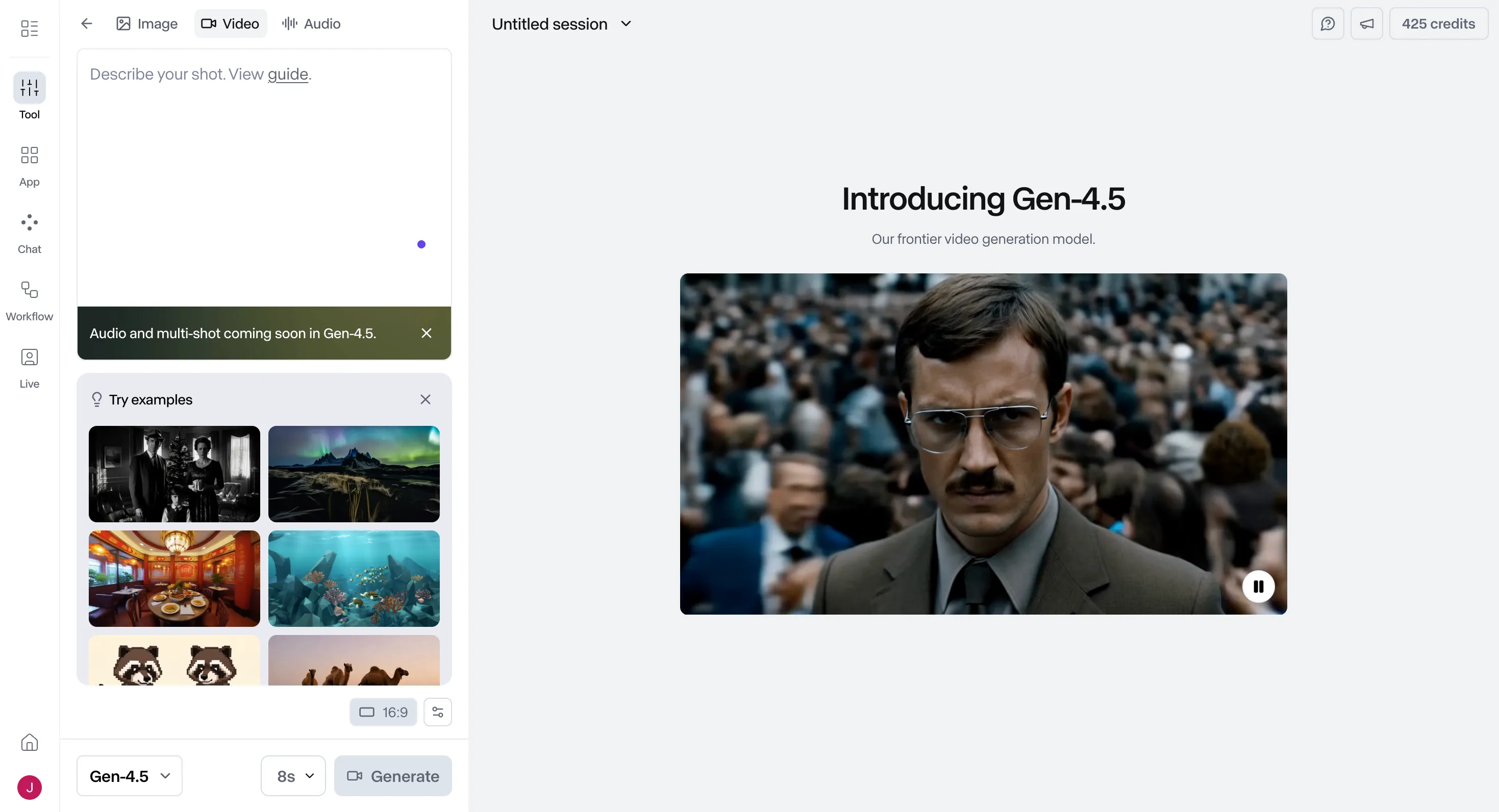
Cosa mi è piaciuto e cosa non mi è piaciuto
|
Cosa mi è piaciuto
|
Cosa non mi è piaciuto
|
|
Più opzioni di modelli (Gen-4.5, Veo)
|
Interfaccia opprimente per i principianti
|
|
Tempo di generazione accettabile
|
Alcuni artefatti facciali e glitch
|
|
Inclusi la maggior parte degli elementi del prompt
|
Movimento dei personaggi innaturale
|
Prezzi
2. HeyGen – Il migliore per video personalizzati e tradotti
Caratteristiche principali
La mia esperienza
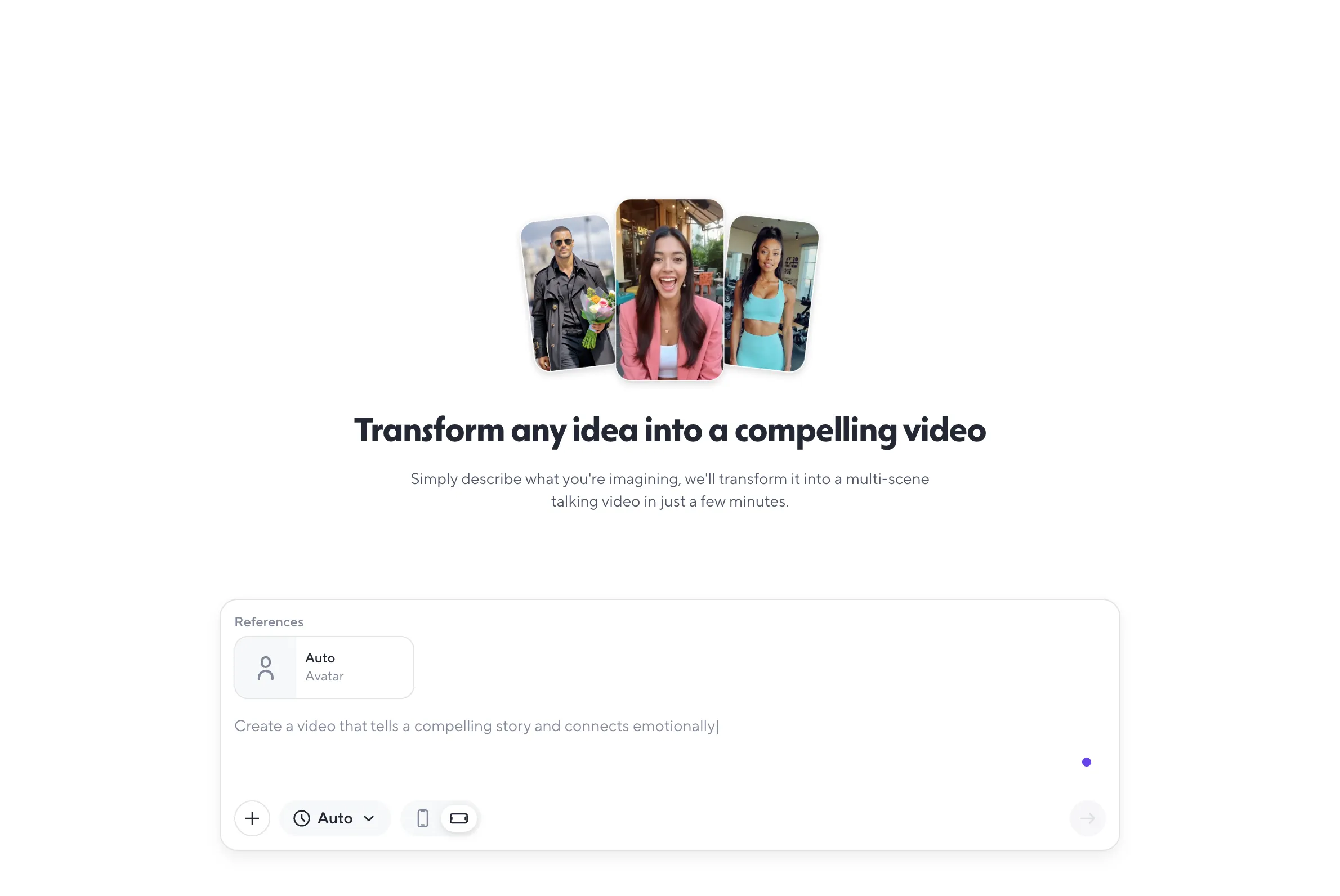
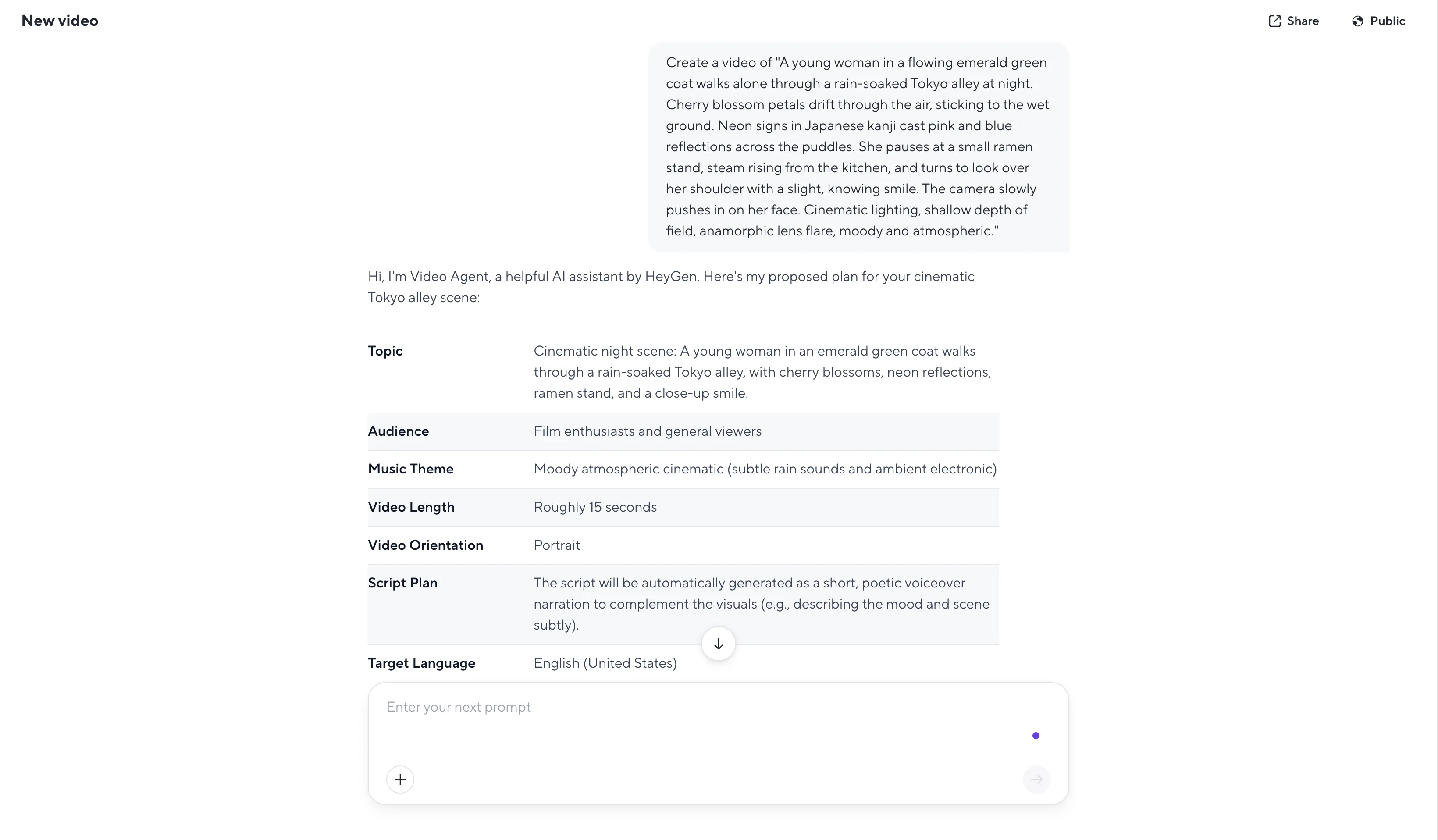
Cosa mi è piaciuto e cosa non mi è piaciuto
|
Cosa mi è piaciuto
|
Cosa non mi è piaciuto
|
|
Interfaccia pulita e facile da usare
|
Avatar simili a videogiochi
|
|
Panoramica generale prima della generazione
|
Movimento innaturale
|
|
Opzioni di durata video più lunghe
|
Problemi di coerenza dei personaggi tra i fotogrammi
|
Prezzi
3. OpenAI Sora – Il migliore per lo storytelling narrativo
Caratteristiche principali
La mia esperienza
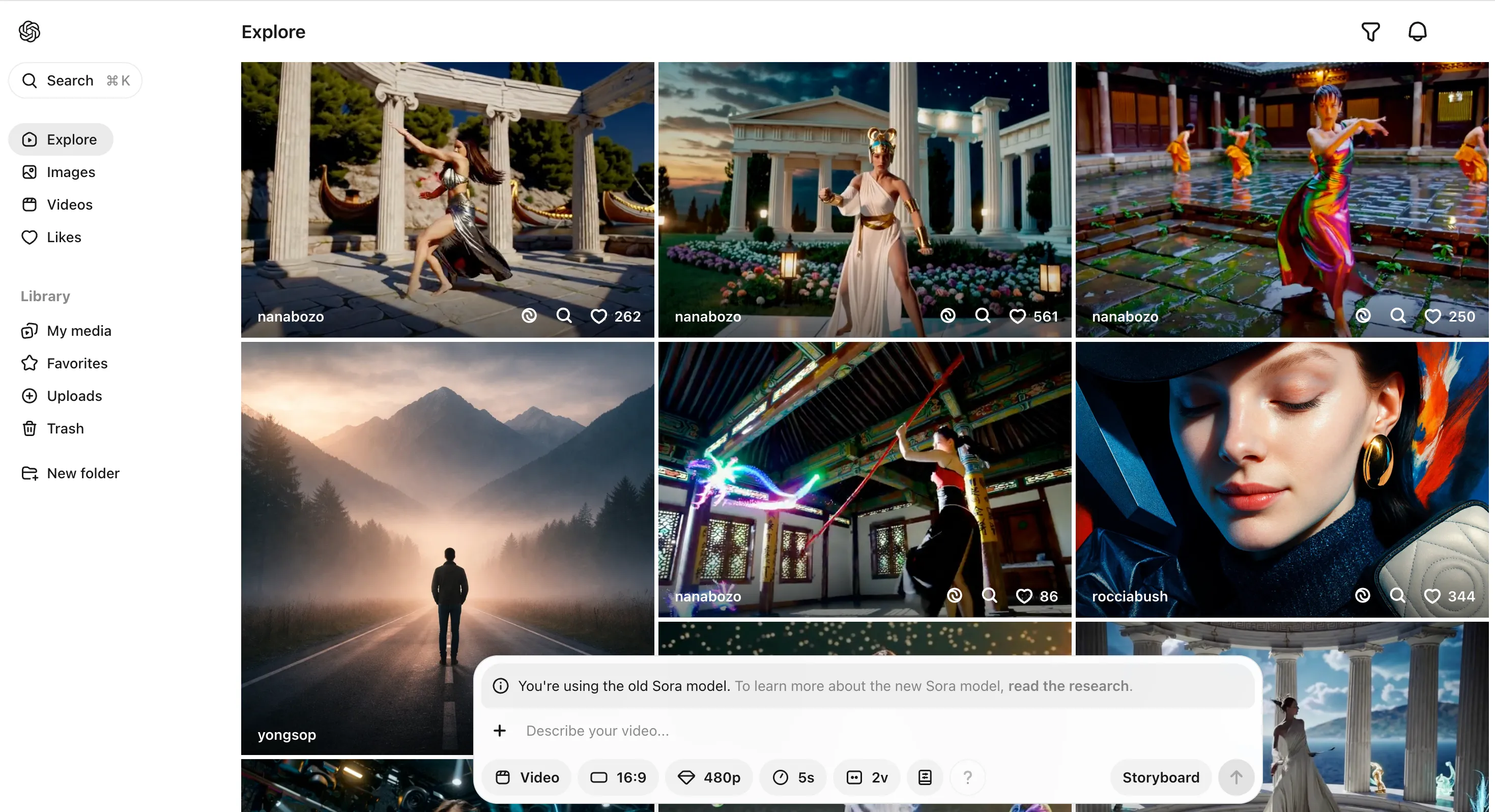
Cosa mi è piaciuto e cosa non mi è piaciuto
|
Cosa mi è piaciuto
|
Cosa non mi è piaciuto
|
|
Tempi di generazione rapidi
|
Problemi con il movimento di camminata
|
|
Più varianti di output
|
Restrizioni regionali per Sora 2
|
|
Interfaccia facile da usare
|
Risoluzione più bassa nella versione gratuita
|
Prezzi
4. Kling AI – Il migliore per umani fotorealistici
Caratteristiche principali
La mia esperienza
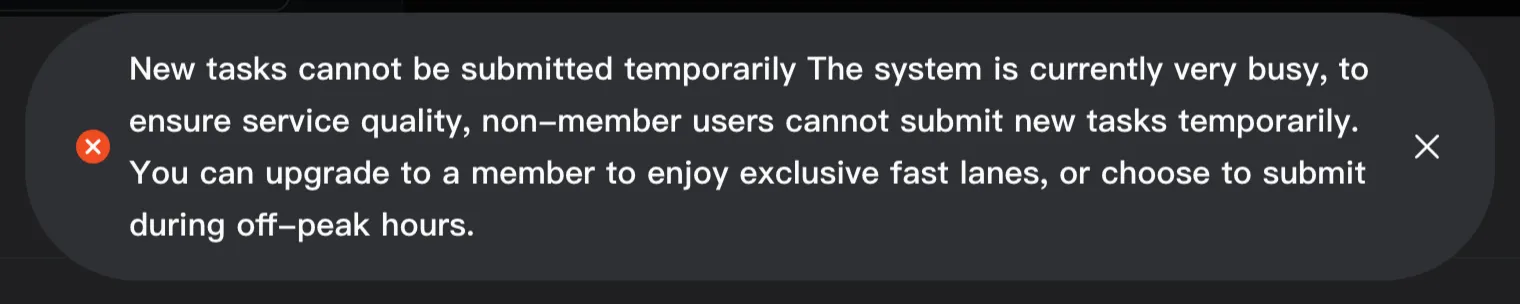
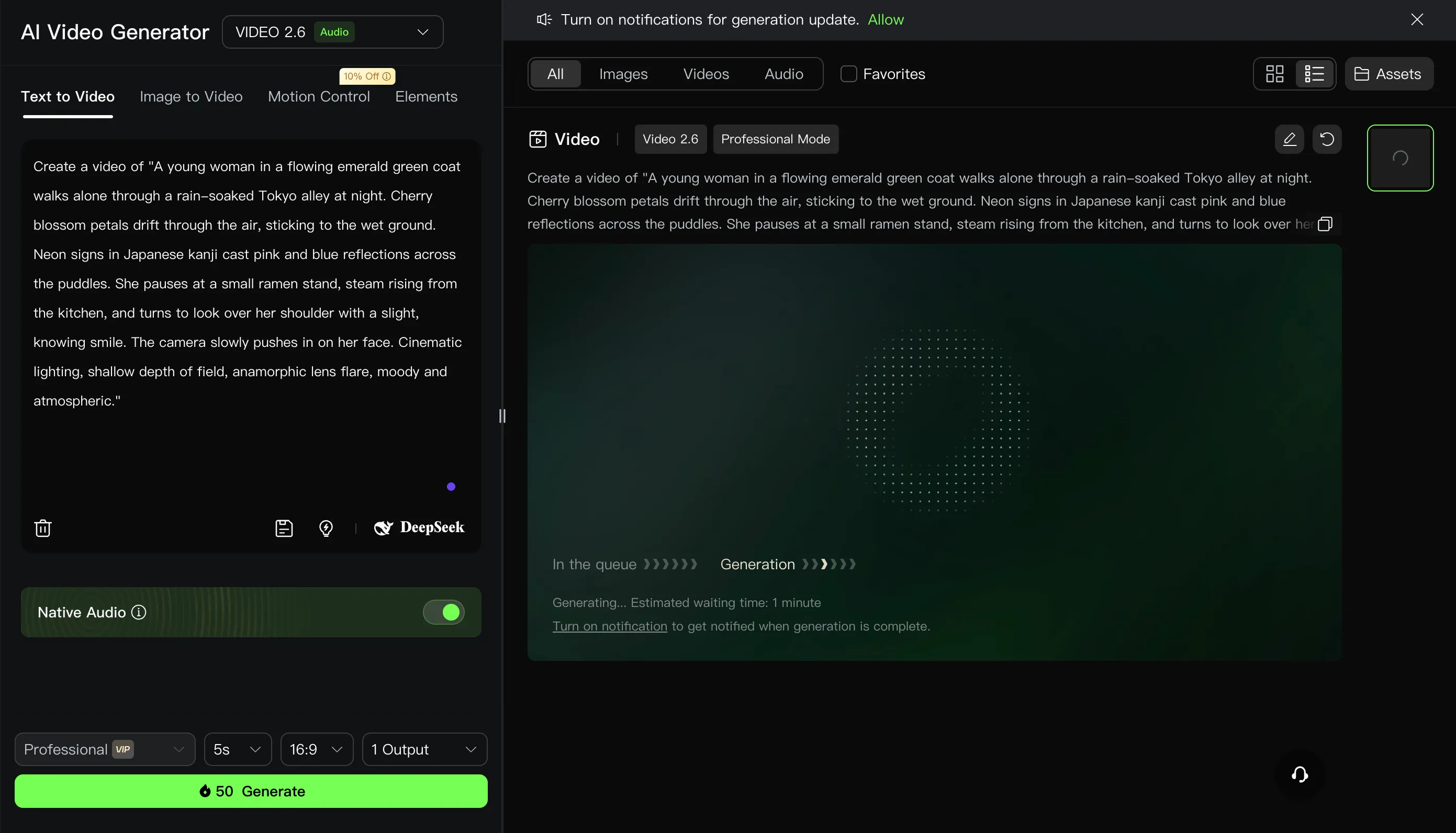
Cosa mi è piaciuto e cosa non mi è piaciuto
|
Cosa mi è piaciuto
|
Cosa non mi è piaciuto
|
|
Video dall’aspetto più naturale
|
Alcune funzionalità bloccate per VIP
|
|
Tempo di generazione rapido
|
L’accuratezza dei colori potrebbe essere migliore
|
|
Interfaccia facile da navigare
|
Mancano alcuni dettagli più fini come i riflessi
|
Prezzi
5. Synthesia – Il migliore per video aziendali e di formazione
Caratteristiche principali
La mia esperienza
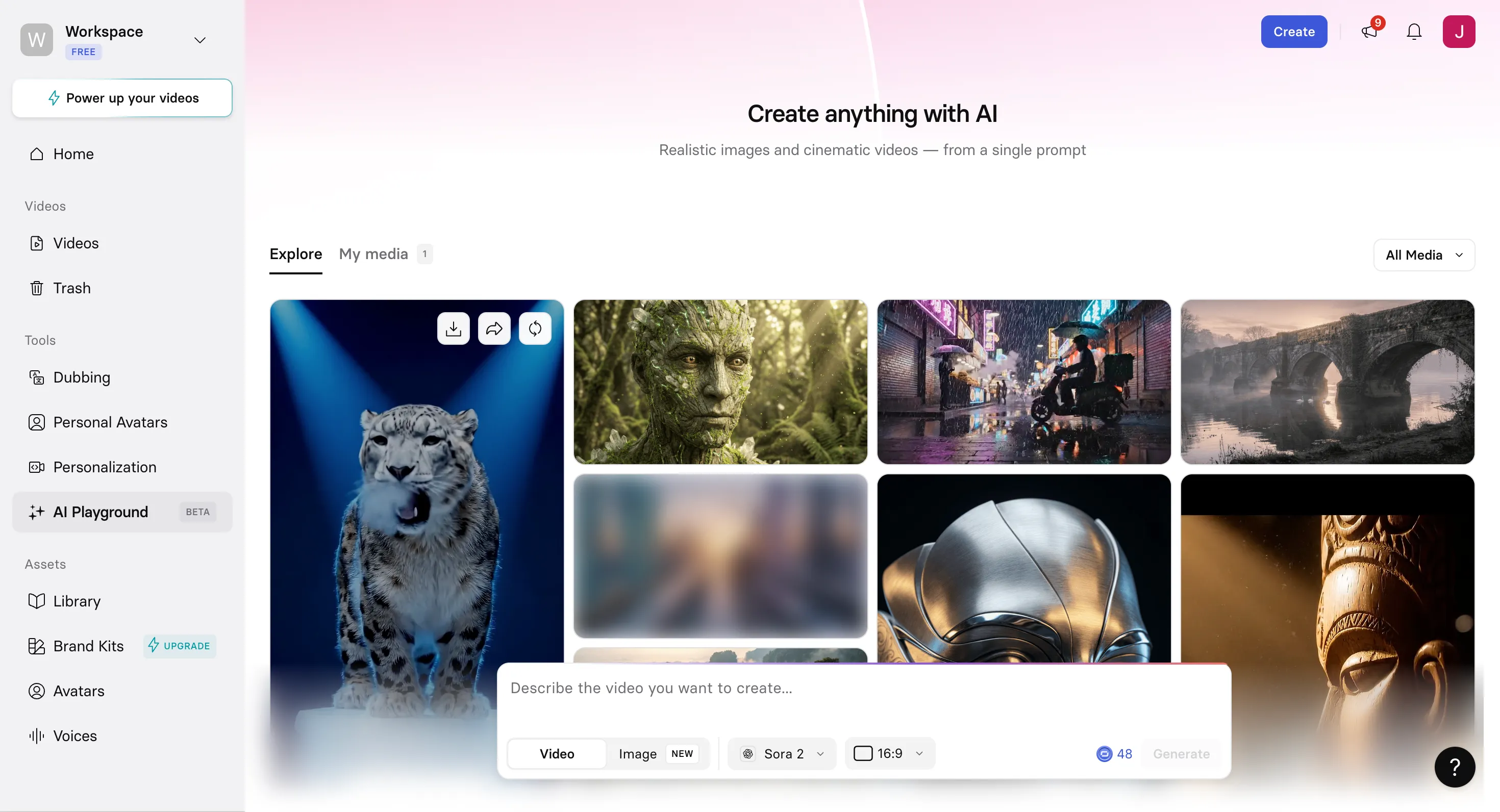
Cosa mi è piaciuto e cosa non mi è piaciuto
|
Cosa mi è piaciuto
|
Cosa non mi è piaciuto
|
|
Interfaccia pulita e intuitiva
|
Alcune incoerenze logiche nella scena
|
|
Generazione audio inclusa
|
Non ha seguito tutte le istruzioni del prompt
|
|
Modalità Editor per la personalizzazione
|
Il download richiede un piano a pagamento ma la generazione no
|
Prezzi
6. Luma Dream Machine – Il migliore per risultati rapidi e cinematografici
Caratteristiche principali
La mia esperienza
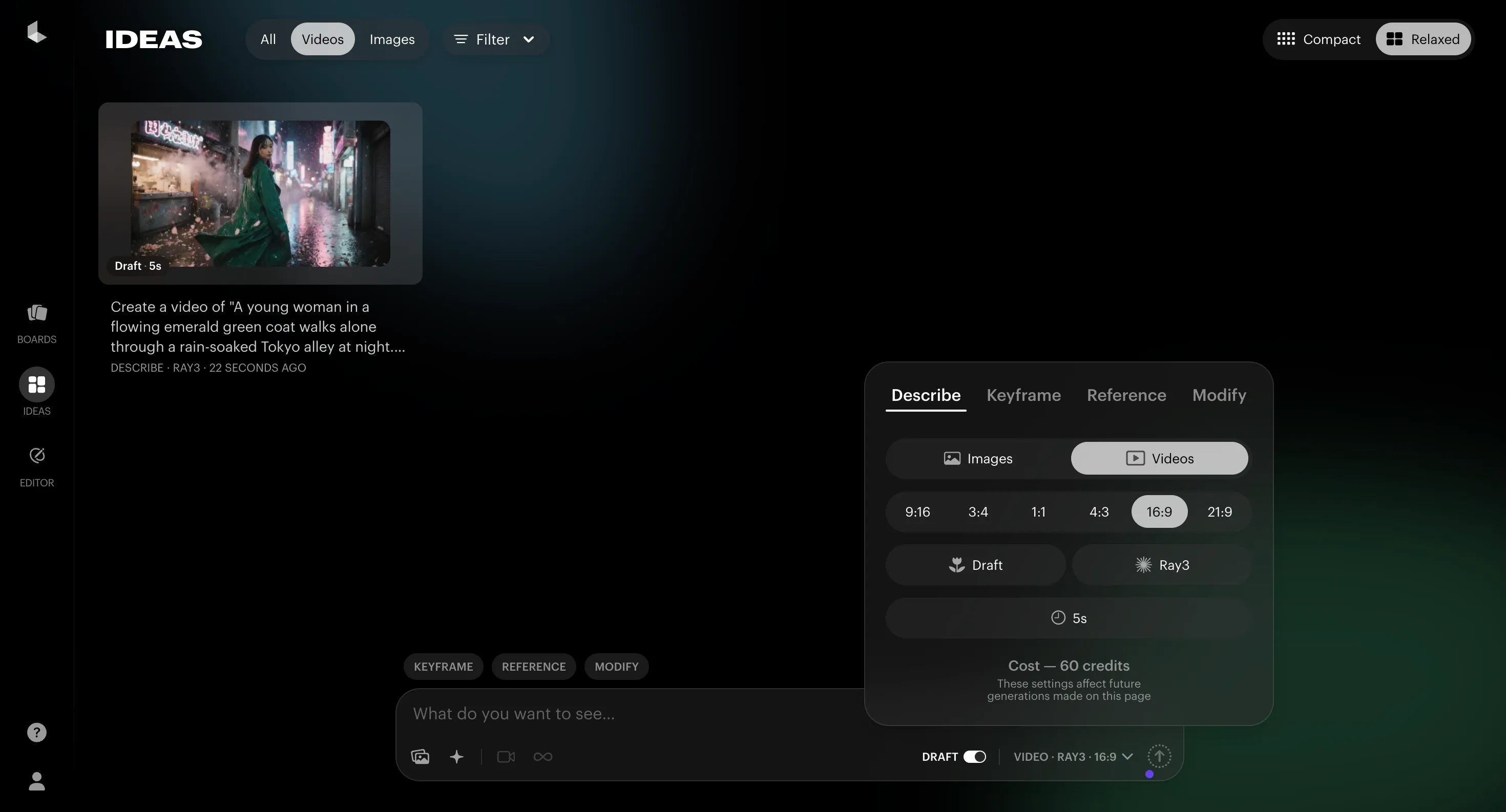
Cosa mi è piaciuto e cosa non mi è piaciuto
|
Cosa mi è piaciuto
|
Cosa non mi è piaciuto
|
|
Generazione estremamente rapida
|
Non ha seguito la sequenza di azioni nel prompt
|
|
HDR e HiFi fanno un’enorme differenza
|
Espressioni dei personaggi non completamente accurate rispetto al prompt
|
|
Personalizzazione dettagliata post-output
|
Ha mancato alcuni effetti cinematografici
|
Prezzi
7. Pika – Il migliore per contenuti creativi e social media
Caratteristiche principali
La mia esperienza
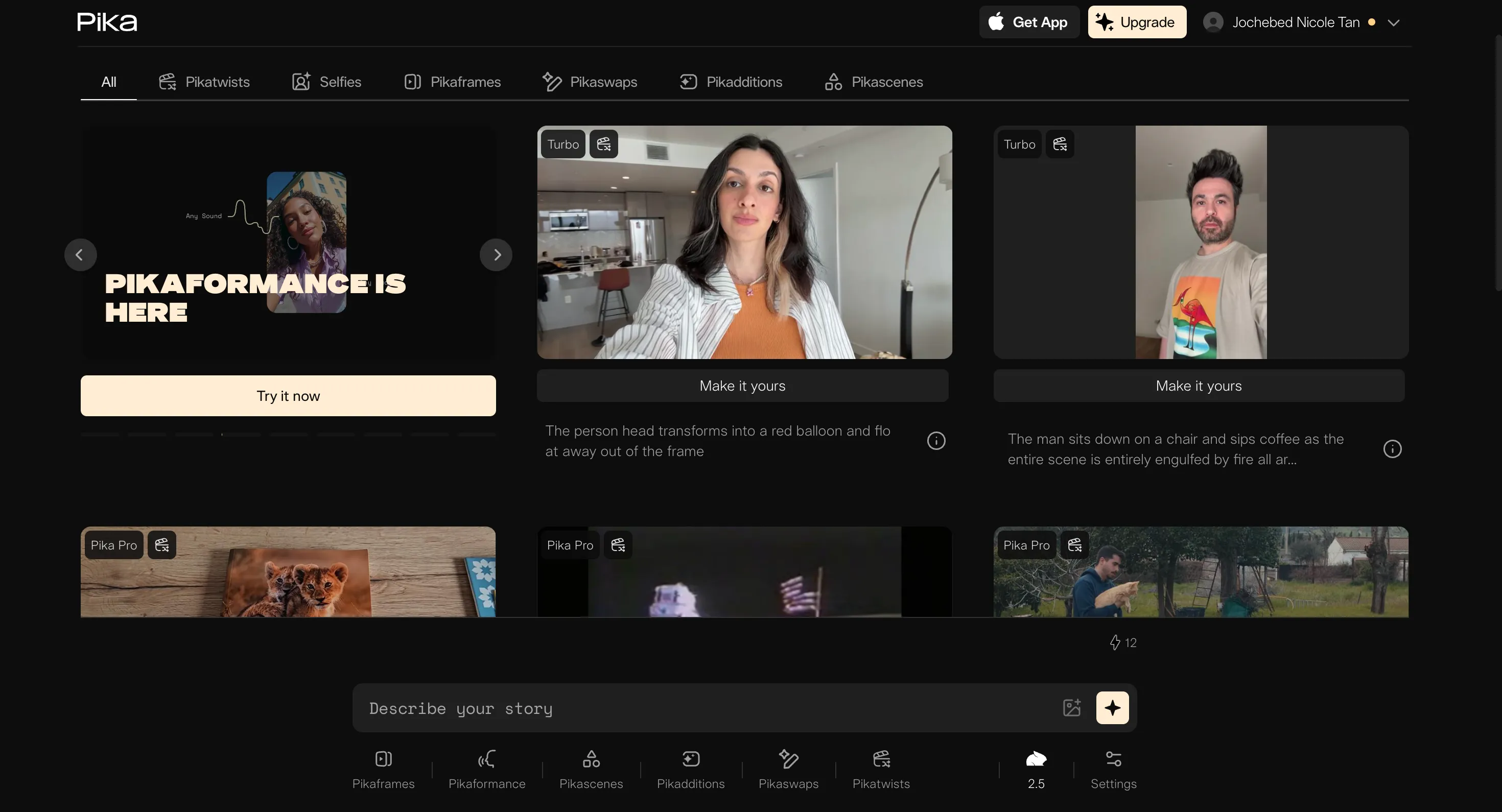
Cosa mi è piaciuto e cosa non mi è piaciuto
|
Cosa mi è piaciuto
|
Cosa non mi è piaciuto
|
|
Buona qualità video
|
Interfaccia confusa e disordinata
|
|
Molteplici funzionalità creative
|
Molti elementi del prompt erano assenti
|
|
La maggior parte delle funzionalità disponibili nel piano gratuito
|
I dettagli culturali/ambientali non erano accurati
|
Prezzi
8. Google Veo 3 – Il migliore per il realismo cinematografico
Caratteristiche principali
La mia esperienza
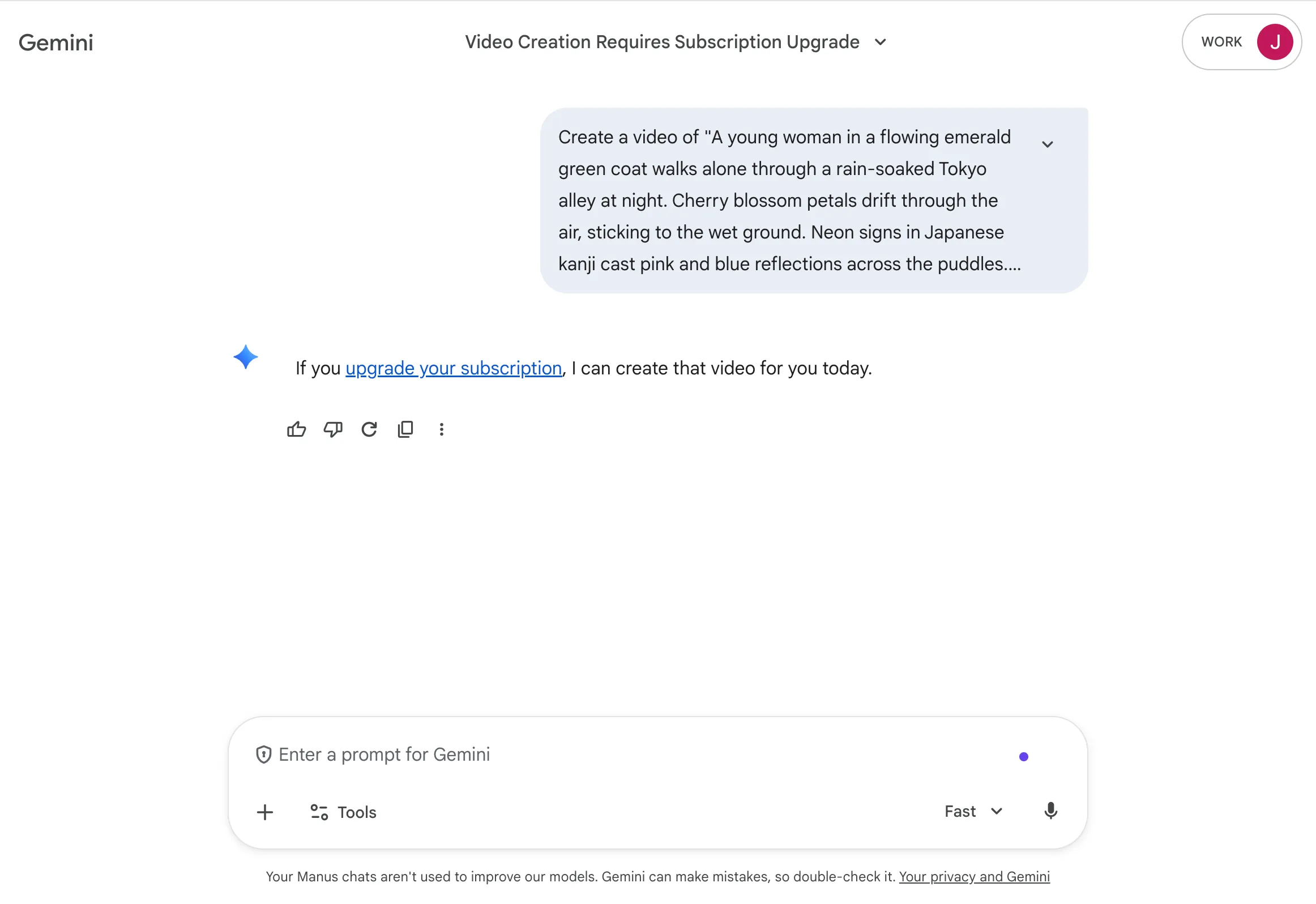
Cosa mi è piaciuto e cosa non mi è piaciuto
|
Cosa mi è piaciuto
|
Cosa non mi è piaciuto
|
|
Movimento e sorriso naturali
|
Nessuna versione gratuita disponibile
|
|
Buona attenzione ai dettagli (pioggia sul cappotto)
|
Alcuni elementi sono scomparsi durante le transizioni della telecamera
|
|
Qualità più nitida e luminosa
|
Non tutti gli elementi del prompt sono stati inclusi
|
Prezzi
9. Adobe Firefly – Migliore per gli utenti di Adobe Creative Cloud
Caratteristiche principali
La mia esperienza
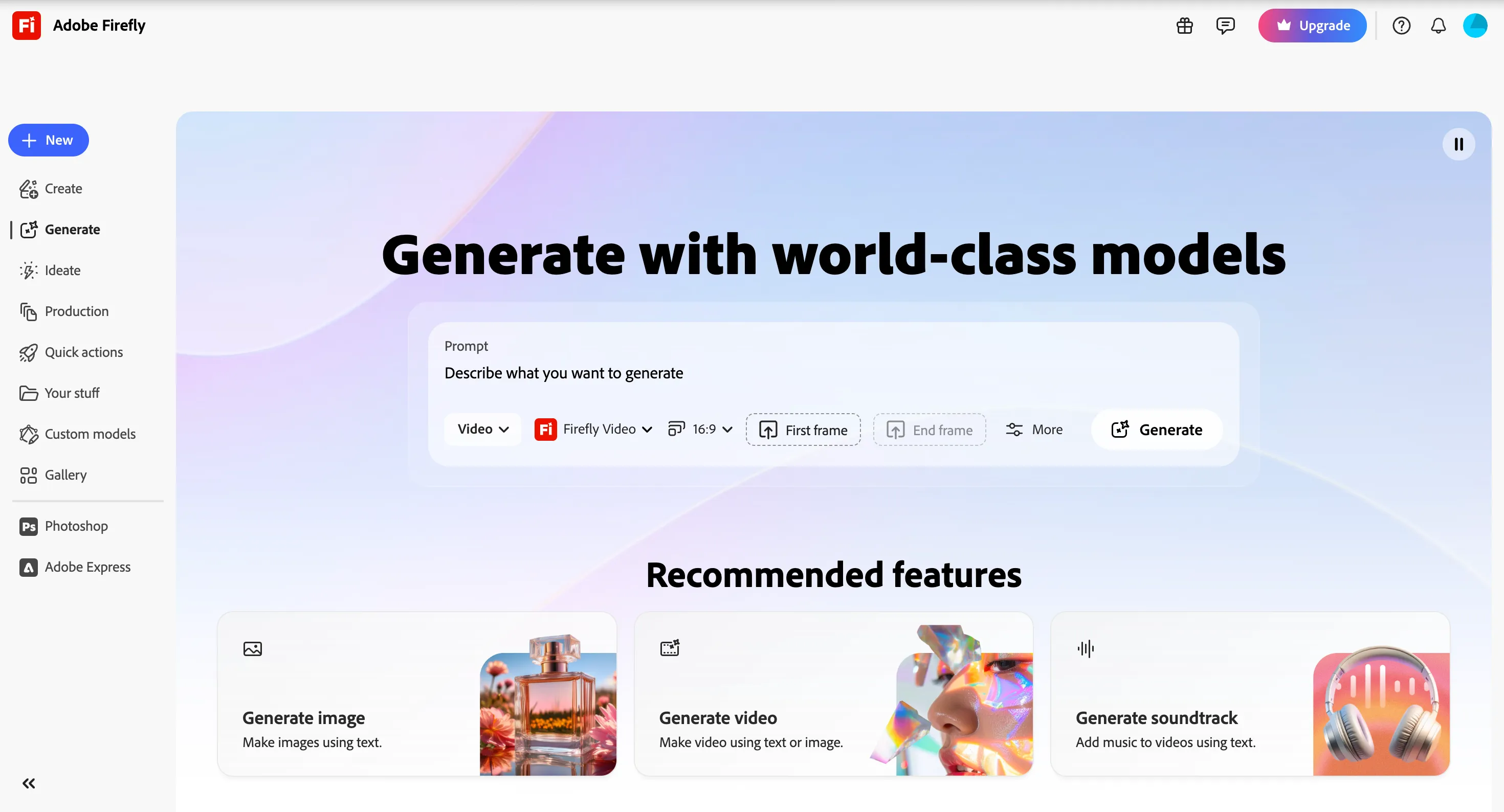
Cosa mi è piaciuto e cosa non mi è piaciuto
|
Cosa mi è piaciuto
|
Cosa non mi è piaciuto
|
|
Interfaccia pulita e facile da usare
|
Il modello Firefly Video ha dato un risultato non correlato
|
|
Opzioni di configurazione elaborate
|
Il modello Veo 3.1 ha impiegato molto tempo per generare
|
|
Diverse scelte di modelli disponibili
|
Mancavano alcuni dettagli atmosferici
|
Prezzi
10. Manus – Il migliore per l’automazione dei flussi di lavoro basata sull’AI
Caratteristiche principali
La mia esperienza
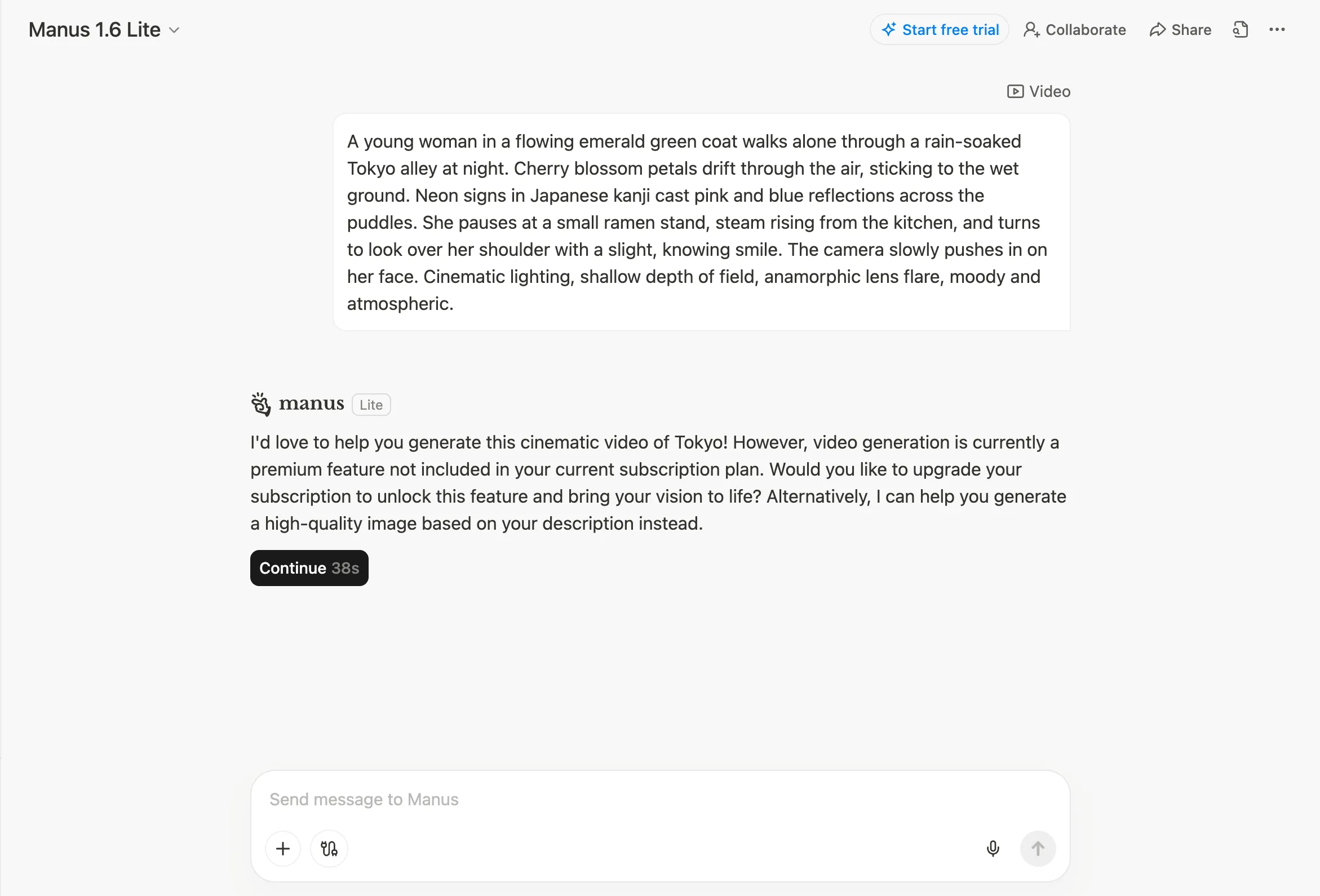
Cosa mi è piaciuto e cosa non mi è piaciuto
|
Cosa mi è piaciuto
|
Cosa non mi è piaciuto
|
|
Interfaccia diretta basata su chat
|
Il suono generato non corrispondeva all’atmosfera del video
|
|
Ha catturato la maggior parte degli elementi del prompt
|
Generazione video non disponibile nel piano gratuito
|
|
Può gestire prompt complessi e in più fasi (dalla scrittura dello script al video al deployment)
|
Alcuni dettagli di sfondo erano errati o il contesto non è stato interpretato bene
|